공정성과 책임의 길

핵심 요약

요약1. 공적 자리에서의 정직과 투명성은 공동체 신뢰의 초석입니다.
요약2. 권력은 섬김으로 드러나야 하며, 사적 이익과의 경계가 필요합니다.
요약3. 제도의 개선과 개인의 회개가 함께 가야 신뢰 회복이 가능합니다.
요약4. 성경은 공의와 정직을 여러 차례 권면합니다(미가 6:8 등).
요약5. 교회는 비판 앞에서 연민과 책임을 동시에 요구하는 공동체입니다.

1. 사건과 우리에게 주는 첫 울림

최근 공적 감사의 자리에서 일어난 여러 논란은 우리 모두에게 무거운 질문을 던졌습니다. 공직자가 공적 책임과 사적 상황을 어떻게 분별하는가, 또 그 분별이 실패했을 때 공동체는 어떤 상처를 받는가 하는 문제입니다. 우리는 개별 사건을 정치적 싸움의 매개로 만들기보다, 그 사건이 드러낸 근본적 문제를 돌아봐야 합니다. 공동체의 신뢰가 훼손되면 작은 일상적인 약속들마저 흔들리게 됩니다. 이때 교회는 비난만을 외치는 곳이 아니라 진실 앞에서 회개를 촉구하고 화해의 길을 모색하는 곳이어야 합니다.

  • 공적 자리의 의미: 국민을 섬기는 자리
  • 사적 이익과의 경계: 투명성의 원칙
  • 공동체의 상처: 신뢰의 회복이 우선
👉 적용 포인트: 우리 각자는 작은 공적 자리에서도 정직을 실천함으로 신뢰를 지킵니다.

2. 성경이 말하는 기준 — 공의와 섬김

“(마태복음 20:25-28 개역개정) 너희 중에는 그렇지 않아야 하리니... 누구든지 으뜸이 되고자 하는 자는 너희를 섬기는 자가 되어야 하리라.”
“(미가 6:8 개역개정) 오직 공의와 인애와 겸손하게 네 하나님과 함께 행하는 것이니라.”
“(잠언 16:11 개역개정) 공평한 저울과 추는 여호와의 것이니라; 그의 일의 모든 저울은 공정하리라.”

성경은 권력과 지위의 본질을 분명히 합니다. 권력은 섬김으로 사용되어야 하며, 공의와 정직이 판단의 기준입니다. 예수님은 권세를 누리는 자리를 인정하지 않고, 오히려 섬기는 자로서의 본을 보이셨습니다. 우리가 존경하는 제도와 인물도 성경적 기준에서 벗어나면 비판의 대상이 됩니다. 이 자리에서 우리는 단순히 누가 잘못했는지를 묻기보다, 우리 공동체가 성경적 기준에 맞게 서 있는지 스스로 돌아보아야 합니다.

  • 공의: 공평한 판단과 행동
  • 인애: 이웃을 향한 자비로운 태도
  • 겸손과 섬김: 권력의 재해석
👉 적용 포인트: 교회 안팎에서 섬김의 리더십을 실천하는 작은 행동들을 찾으십시오.
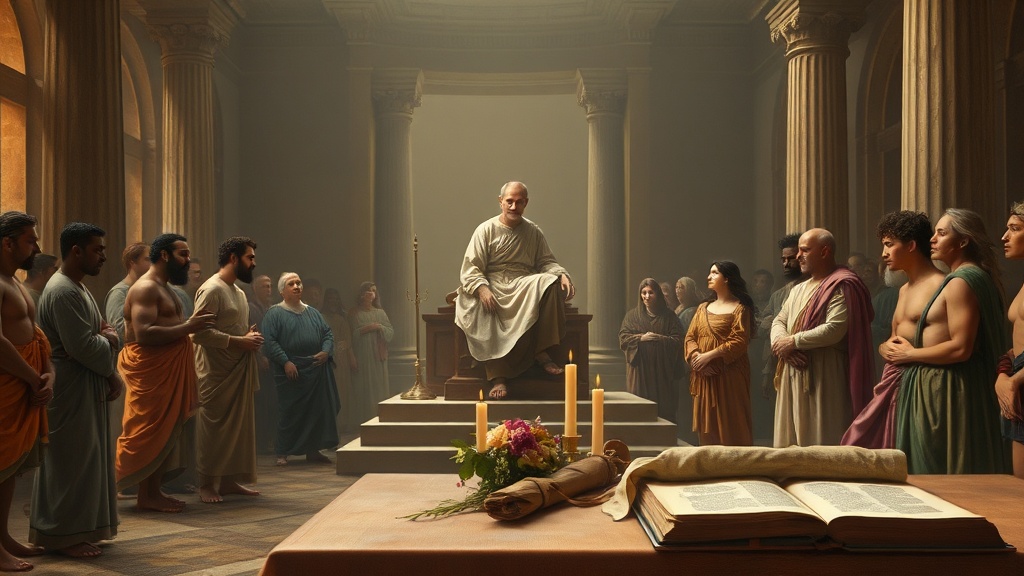
A contemplative religious allegory painted in the style of Leonardo da Vinci, rendered with soft sfumato and gentle chiaroscuro. The scene is set in a classical council chamber with arched windows and pilasters receding into a hazy atmospheric perspective; warm, earthy pigments and subtle cool shadows create depth. In the foreground, an anonymous senior figure seated on a raised dais occupies the geometric center but is portrayed without any identifying features, clothing or ornamentation tied to any nation, institution, or real person. Around the dais, a small group of realistic human figures of mixed, non-specific ethnicities stand and sit in naturally proportioned poses; their faces show complex, nuanced emotions — quiet shame, inward regret, solemn resolve, and compassionate concern — captured with meticulous facial detail and anatomically accurate hands and posture. Nearby, an understated private table with a few candles and a modest floral arrangement intrudes into the official space, suggesting a tension between private celebration and public duty; on the edge of an official ledger, a cloth-wrapped bundle is partially revealed, rendered as a subtle narrative object rather than a graphic symbol. The composition follows balanced geometric principles with a triangular arrangement of figures, a single warm shaft of high window light illuminating the central figure and casting dramatic but soft shadows, and hazy outlines that gently blend figures into the architectural background. Clothing and drapery are executed with meticulous, tactile detail — layered fabrics, delicate folds, and nuanced textures. Background architecture contains intricate, classical detail (arches, columns, a distant staircase) that recedes into soft atmosphere. The mood is serene, reverent, and reflective, evoking themes of stewardship, accountability, and the tension between public responsibility and private interest — an allegory inspired by parables about leadership and moral integrity, not depicting any specific event, named person, institution, or scripture verse. Exclude any text, letters, logos, modern technology, nameplates, flags, identifiable uniforms, or graphic icons; do not include religious emblems, written inscriptions, or any elements that would single out a real-world individual, organization, place, or news event.

3. 권력의 남용을 넘어 제도와 개인의 회복으로

공적 사건이 드러낼 때, 우리는 두 갈래 길 앞에 서게 됩니다. 하나는 분노와 배제의 길이고 다른 하나는 책임과 회복의 길입니다. 제도적 개선 없이 개인의 잘못만을 탓하는 것은 불완전합니다. 반대로 제도만 바꾸려 하고 개인의 회개를 요구하지 않으면 근본적 변화가 일어나기 어렵습니다. 작은 공동체에서도 마찬가지입니다. 교회 안 leadership에서조차 때로는 관리의 방식이 권위적일 때가 있습니다. 그때 우리는 다시 예수님의 섬김의 본을 떠올리고, 서로의 짐을 나누는 공동체성을 회복해야 합니다.

  • 제도적 대응: 투명한 절차와 권한 분산
  • 개인적 책임: 회개와 공개적 사과
  • 공동체적 회복: 치유와 신뢰 회복 프로그램
👉 적용 포인트: 우리 교회는 갈등 상황에서 절차적 공정성을 지키되, 회복을 위한 공간을 만들어야 합니다.

4. 신뢰 회복을 위한 구체적 실천

신뢰는 하루아침에 회복되지 않습니다. 투명한 설명, 책임 있는 조치, 그리고 시간이 필요합니다. 교회는 이러한 과정에서 모범을 보일 수 있습니다. 예를 들어 작은 교회 운영에서도 재정과 행사에 대한 공개성을 높이고, 의사결정 과정에 더 많은 사람을 참여시키는 것만으로도 큰 변화가 옵니다. 또한 공동체 구성원 각자가 자신의 자리에서 정직과 직무에 대한 양심을 세우는 일이 중요합니다. 현대 사회에서는 윤리적 기준이 흐려질 때가 많습니다. 성도는 일상에서 공정성을 지키는 작은 습관을 통해 큰 신뢰를 쌓아갑니다.

  • 정보의 개방: 결정 과정과 이유를 나누기
  • 참여의 확대: 다양한 목소리 듣기
  • 교육과 훈련: 윤리 교육과 리더십 훈련
👉 적용 포인트: 가정과 교회에서 작은 투명성을 실천해 보십시오. 그것이 신뢰의 첫걸음입니다.
A cinematic, photorealistic movie-still set in a sleek 2025 urban civic hearing chamber, captured in a widescreen 16:9 composition. The room is modern and elegant — glass walls, brushed steel, warm wood accents, and a view of distant high-rise glass-and-steel buildings and city lights through floor-to-ceiling windows. In the foreground, a long polished conference table with several tabletop microphones, a water glass, a folded envelope, and a small bridal bouquet casually left on the surface; an empty leather chair is pushed back slightly as if its occupant just left. The scene conveys tension and compromised authority without depicting any specific person: a few anonymous figures occupy the midground and background — staff and reporters shown as blurred or silhouetted forms, some holding camera rigs or smartphones, others whispering in muted groups. No faces are identifiable; any people are shown with natural, diverse skin tones but soft focus or turned-away profiles to maintain universality. Lighting is cinematic and realistic: warm late-afternoon sunlight slices in through the glass, mixing with subtle cool LED overheads and camera lights, producing soft rim highlights, natural skin tones, and volumetric shafts of light with gentle haze. Color grading is filmic and restrained — slightly desaturated midtones, warm highlights, cool shadows, high-resolution textures on fabrics, leather, glass, and metal. Depth of field is shallow to medium, with a focused plane on the table and empty chair and a soft bokeh rendering of the background activity. Use realistic lens characteristics (e.g., 85mm cinematic portrait feel, subtle film grain, lens flares controlled) to create the sense of a high-end movie still. Ensure there are no visible logos, text, flags, or identifiable signage anywhere in the frame; the scene should read as a universally relatable moment of institutional drama in a contemporary 2025 city setting.

5. 공동체의 책임과 우리의 작은 실천

마지막으로, 공동체가 책임을 져야 합니다. 개인의 잘못을 지적할 때에도 우리는 결국 서로를 회복시키려는 마음을 잃지 말아야 합니다. 교회는 공적 사건을 바라볼 때 연민과 진실을 함께 품는 장소가 되어야 합니다. 각 가정과 직장, 모임에서 우리는 공적 책임을 실천할 수 있습니다. 교회 내의 리더들은 자신의 역할을 권력으로 착각하지 말아야 하고, 구성원들은 리더를 견제하고 격려하는 균형을 이루어야 합니다. 이 과정에서 단순한 규정의 강화만으로는 부족하며, 마음의 변화가 동반되어야 합니다. 신실한 삶을 통해 우리는 다시금 책임과 신뢰를 회복할 수 있습니다.

  • 개인의 성찰과 회개
  • 제도의 투명성 강화
  • 공동체의 지속적 돌봄
👉 적용 포인트: 우리 각자는 일상에서 섬김의 자세를 실천함으로써 공동체 신뢰를 지켜나갑니다.
주님, 우리의 연약함으로 인해 상처받는 이웃과 공동체를 기억하시고, 우리로 하여금 겸손과 진실로 서로를 섬기게 하옵소서. 잘못을 드러내는 용기와 회복을 위해 함께 짐을 지는 마음을 주소서. 우리의 작은 성실함이 신뢰를 회복하는 씨앗이 되게 하시고, 섬김의 자리에서 주님을 닮아가게 하옵소서. 예수님의 이름으로 기도합니다. 아멘.

Post a Comment

Previous Post Next Post