1. God creates each person with unique gifts and the freedom to express them.
2. "Color Outside the Lines" captures an artistic impulse that Scripture affirms when rightly ordered.
3. Creativity must be balanced with responsibility to others and moral wisdom.
4. The church flourishes when diverse gifts are stewarded for the common good.
5. Practical steps help individuals offer their distinct voice while loving their neighbor.
Introduction: A Debut, a Title, and a Question
Recently a K-pop group named CORTIS released an EP titled Color Outside the Lines. The phrase invites us to consider what it means to break conventions in art and life. As a congregation, we do not need to evaluate chart numbers or trends, but we can reflect on how creativity and individuality fit into the life of faith. The Bible begins with a Creator who delights in variety and intention. In Genesis 1:27 we read that humanity is made in God's image — a foundation for dignity, uniqueness, and creative capacity. Yet Scripture also calls us to thoughtful formation and loving responsibility (Romans 12:2).
Created to Create: Image-Bearers and Originality
Genesis tells us that God fashioned humankind in the divine image. That theological truth gives creative expression a sacred dimension. When someone composes a song, paints, teaches, or designs, they reflect God's creative character. The impulse to make something new is not merely cultural — it is theological. Creation theology encourages us to honor distinctive voices while recognizing that gifts are given for more than self-display.
- Creativity as reflection: art reflects God's creativity.
- Uniqueness as dignity: every person bears a distinct likeness of God.
- Purpose as stewardship: gifts are entrusted for flourishing.
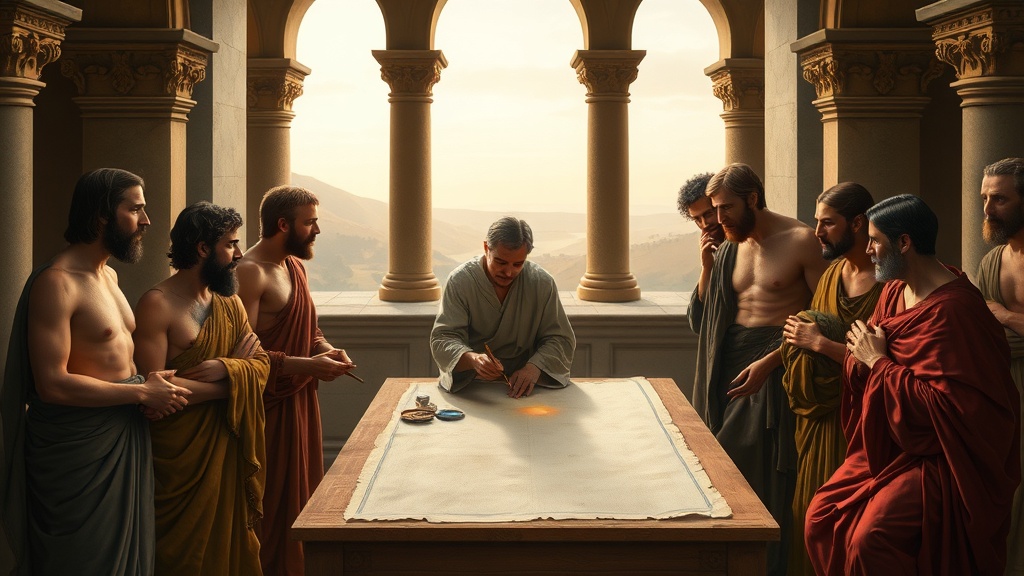
Risk and Responsibility: When Creativity Needs Wisdom
Creativity can be bold and freeing, yet the Bible warns that freedom without love can become harmful. Paul urges believers not to conform to the patterns of this world but to be transformed by renewing the mind (Romans 12:2). Renewal means our creativity should be shaped by wisdom, humility, and love. We must guard against self-centered expression that wounds others or celebrates vice. The New Testament repeatedly links liberty with service: freedom is expressed through sacrificial love (Galatians 5:13-14).
- Ask: does this expression build up or tear down?
- Consider: who benefits and who is harmed?
- Choose: will this reflect Christlike character?
Community and Harmony: Gifts for the Common Good
Paul's body metaphor in 1 Corinthians 12 reminds us that variety is valuable because it serves unity. Individual gifts truly flourish when they contribute to the health of the whole. Creativity thus finds its best purpose in community: music that unites, ideas that guide, service that cares. The church is the laboratory where diverse expressions are harmonized toward mercy and justice.
- Recognition: name and honor different gifts among us.
- Integration: create spaces where talents can serve shared aims.
- Encouragement: resist envy and foster mutual praise.

Practical Steps: Stewarding Gifts in Everyday Life
How do we live this theologically and practically? Begin with simple disciplines that connect creativity with faithfulness. Small, steady habits—prayerful reflection, peer accountability, public service—shape raw talent into faithful witness. Consider these steps:
- Reflect weekly: journal one way your gift served another person.
- Seek mentors: ask elders or peers to give kindly honest feedback.
- Create opportunities: host a community event that showcases varied talents.
- Pray before public release: ask God for humility and clarity of purpose.
