1. Film: "The King and the Man Who Lives" (dir. Jang Hang-jun), opens Feb 4, 2026, set at Cheongnyeongpo, 1457, about Danjong (Yi Hong-wi) and village chief Eom Heung-do.
2. Historical frame: Danjong's deposition, exile, and tragic end provide a backdrop; the film explores community care and power's cost.
3. Biblical resonance: exile, faith tested, and communal responsibility echo themes from Genesis, the Psalms, and prophetic calls for justice.
4. Pastoral focus: how the church cares for the vulnerable, resists abuses of power, and practices humble stewardship within community.
5. Practical uses: teachable film for discussion, sermon illustration, or church screening with historical notes and guided reflection.
The Story Framed: Film and History
This new historical drama, The King and the Man Who Lives, directed by Jang Hang-jun and due Feb 4, 2026, places us at Cheongnyeongpo in 1457. It imagines the life of the deposed young monarch Danjong (Yi Hong-wi) as he is sheltered by a village chief, Eom Heung-do, and the people of a small community. The film situates human faces and daily labors against the large sweep of dynastic struggle, reminding us that behind every headline of power there are lives displaced and stories reshaped.
- Historical anchor: Danjong's removal from the throne and exile to Cheongnyeongpo.
- Human focus: the village chief's care and the townspeople's choices.
- Creative frame: the filmmakers call it an exploration of "history that was erased"—a creative retelling, not a primary record.
The film invites us to see exile not only as political punishment but as a human condition that tests the soul of a community.
Exile and the Soul: Biblical Echoes
Scripture is no stranger to exile. From Joseph's betrayal to the Babylonian lamentations, the biblical record gives us language to name loss, longing, and faith under displacement. The film's portrait of a young ruler living among common folk resonates with those stories. It asks: how does faith hold in removal from place and office? How does identity form outside of the public roles we once held?
- Joseph: broken dreams, yet a journey toward preservation and restoration.
- Psalms and lament: honest weeping in foreign lands while holding on to memory.
- Prophetic justice: calls to protect the vulnerable and speak against abuse of power.
The Village as Church: Community's Responsibility
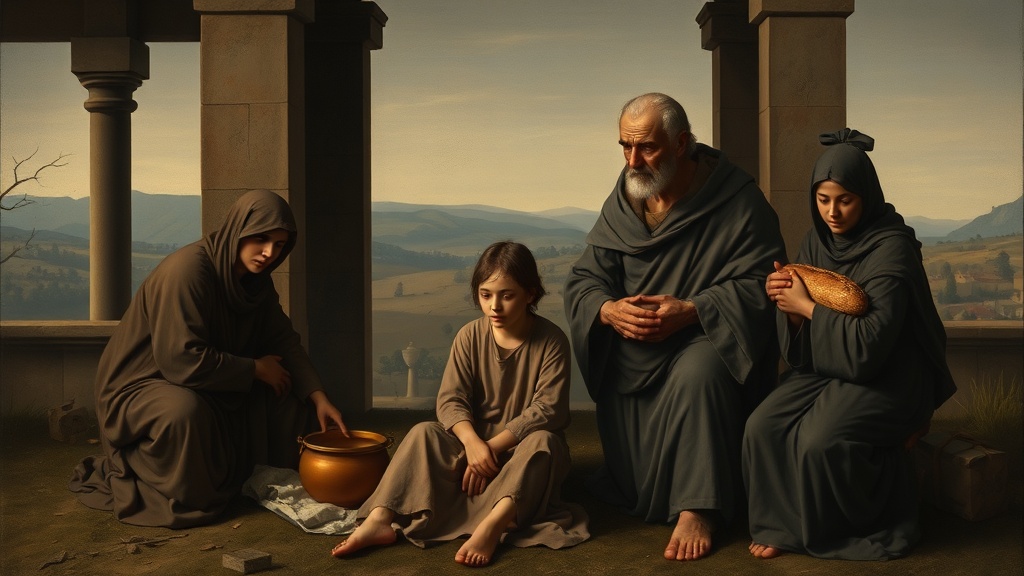
The relationship between the deposed youth and the village chief invites us to reflect on how local communities embody care. In the film, a small settlement becomes the stage on which dignity is restored or denied. That mirrors the church's calling: to be a place where those excluded by systems of power find shelter, food, and a name again.
- Practical care: provision, shelter, and companionship as pastoral acts.
- Moral courage: the village must decide whether to hide, fight, or accommodate coercion.
- Shared fate: small communities often carry the cost and blessing of solidarity.
A community’s faith is measured by how it treats those who have lost status, not by how it honors the powerful.
Power, Justice, and Memory
The film also engages with memory—whose version of events endures once power rewrites the archives? The tendency to silence inconvenient stories is an ancient one. The Bible warns us about the abuse of power and calls prophets and ordinary people to witness. As congregations, we hold duty to remember rightly and to teach younger generations moral lessons about justice, mercy, and humility.
- Remembering: naming the victims and learning from their lives.
- Witnessing: telling counter-stories that resist erasure.
- Advocacy: practical steps to protect the marginalized today.

Living the Story: Application for Today
How might we bring the film's lessons into our parish life? Beyond critique or praise of cinematic choices, the story gives us practical invitations: to shelter those rejected by society, to speak truth to power with courage and patience, and to practice stewardship in small, sacrificial ways. Churches can use the film as a prompt for education, small-group discussion, and ministries that respond to modern forms of exile—refugees, the stigmatized, and those stripped of social dignity.
- Host a screening with historical notes to separate art from archive.
- Form a discussion group connecting the film to Scripture and service.
- Identify local needs where the congregation can offer concrete help.
Our faith asks not only that we feel compassion, but that we organize our lives so compassion can be seen and sustained.
