1. Baek Jong-won models how faith and work can be integrated in everyday life.
2. His recovery from debt shows perseverance and practical trust in God’s guidance.
3. Helping local businesses reflects the Christian call to love neighbors through service.
4. Global outreach through food can mirror the Great Commission in cultural form.
5. Family, education, and faithful leadership remind us that vocation and stewardship are spiritual practices.
Introduction: A Cook, A Leader, A Witness
Today we reflect on a contemporary story from the world of food and enterprise: Baek Jong-won, founder and CEO of Theborn Korea, known across Korea as a restaurateur, television figure, and culinary teacher. His public life offers images we can bring into the church: a person who learned from failure, labored to repay debts, and worked to restore struggling neighbors. As Christians we can look at such a life and ask how faith shapes everyday vocation. Our work, however ordinary, can be a place where God forms character and blesses others.
Trial and Trust: From Debt to Deliverance
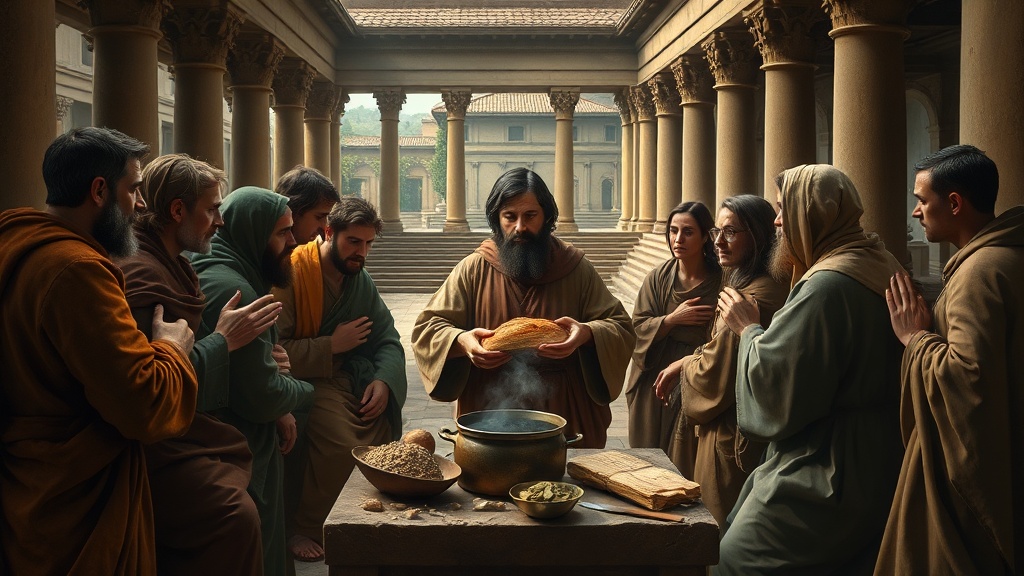
In the late 1990s Baek faced a severe trial: large debts after business setbacks during the financial crisis. Rather than hide or give up, he approached creditors, asked for time, and committed to repay by building a sustainable business. This is not glamourous heroism but steady responsibility: working, learning, and keeping promises. The biblical pattern is similar — trials test faith and grow perseverance (James 1:2-4). Consider these practical steps Baek took that echo Christian resilience:
- Honesty before those he owed.
- Persistent labor to restore what was lost.
- Innovation in service and generosity to customers and partners.
Neighborly Love in Action: Serving the Small and Vulnerable
One of the most visible aspects of Baek’s public ministry is his work with struggling restaurants on programs like Alley Restaurant Rescue. He uses expertise to teach, to correct, and to restore livelihoods. This practical mercy mirrors the Gospel call to feed the hungry and support those in need. Three lessons we can draw:
- Skill shared is power multiplied: teaching others expands blessing beyond one life.
- Correction paired with compassion restores dignity.
- Economic care is also spiritual care: feeding bodies opens doors to deeper hope.

Global Mission and Daily Faith
Baek’s efforts to bring Korean food to other nations — opening kitchens and creating B2B sauces — can be seen as cultural mission: sharing a taste that carries stories, family habits, and hospitality. For the church, the Great Commission invites us to make disciples in every nation; food and friendship are often the first languages of relationship. Practical points:
- Local skills can become bridges for cross-cultural friendship.
- Small acts of hospitality prepare hearts for gospel witness.
- Business initiatives can support missions when steered by ethical stewardship.
Home, Vocation, and the Practice of Stewardship
Finally, Baek’s life reminds us that vocation includes family and education—he is a husband, father, and school board leader. Scripture calls husbands to love their wives and parents to shepherd their households (Ephesians 5:25). Stewardship is not only of money but of relationships, reputation, and gifts. Consider a short checklist for faithful stewardship:
- Care for family as a primary ministry.
- Use gifts to teach and equip others.
- Keep commitments even when costly.
