1. Actor Ahn Sung-ki, a beloved public figure, is critically ill after a cardiac arrest while battling a recurrent blood cancer; medical teams continue intensive care.
2. The event reminds us of human frailty and the urgent need for compassionate presence and communal prayer.
3. Scripture gives language for lament, hope, and intercession (Job; Psalm 23; Psalm 116:15; James 5:14-15).
4. The congregation is called to both practical care and patient trust, supporting family and caregivers.
5. We entrust life and death to God’s merciful hands, committing ourselves to pray, to serve, and to love.
A Moment at the Bedside
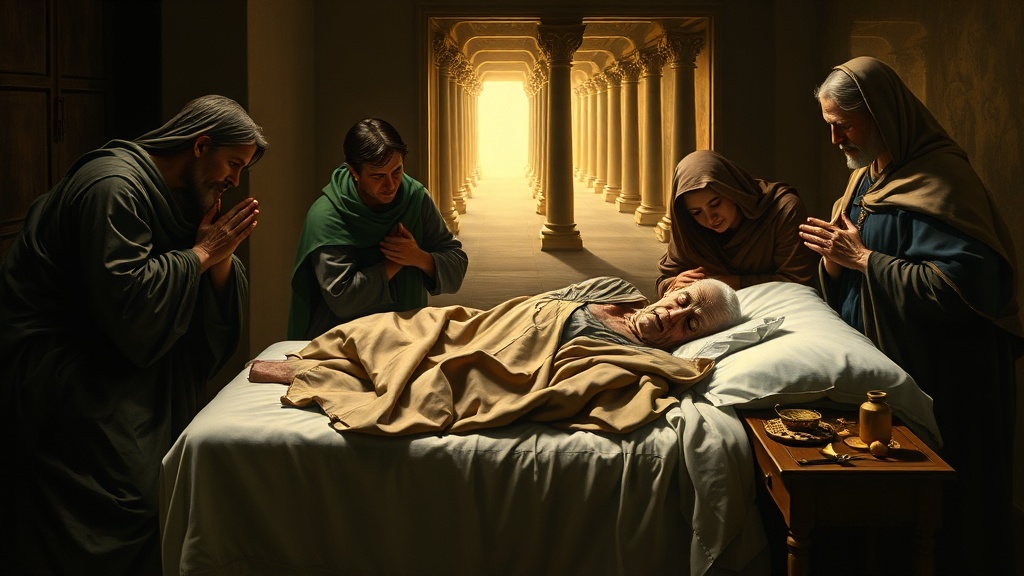
News of a sudden collapse and a life hanging between breath and prayer brings a congregation to a quiet, sober place. For many, the name Ahn Sung-ki will awaken memories of films, of familiar presence, and of how public lives intersect with private suffering. When cardiac arrest follows illness, the family’s shock, the medical urgency, and the public’s concern merge into a single, heavy moment. In that space we remember that sickness is not merely a biological fact but a spiritual crossroads where questions of meaning and dependence come alive. We place our fragile loves into the hands of a merciful God who walks with us through the valley of uncertainty. This is not a retreat from medicine; it is a pastoral encouragement to combine faithful medical care with persistent, loving prayer.
Scripture in the Silence
Our scriptures give names and practices for grief, fear, and hope. Consider Job, who models raw lament yet refuses to abandon God entirely; or Psalm 23, which comforts us with the shepherd’s steady care even in “the valley of the shadow.” Psalm 116 reminds us that the death of the faithful is precious to the Lord, and James 5 instructs the community to pray and anoint the sick. These texts do not erase pain; they reframe it within God’s presence and the church’s ministry. List:
- Job: honest complaint before God.
- Psalm 23: shepherding presence in darkness.
- James 5: communal prayer and anointing for healing.
The Church as Companion
When a public figure becomes an object of broad concern, the congregation must remember that public sympathy does not replace the daily, patient labor of Christian companionship. The church is called to be present: to pray, to sit, to send practical help, and to care for the family behind the headlines. Presence means listening to caregivers, assisting with meals, offering to drive family members, or simply committing to regular prayer. List:
- Pray consistently, not only once.
- Coordinate practical help through the church office.
- Respect the family’s need for privacy and for truthful updates.
Holding Hope in Uncertain Times
Hope in the face of severe illness is not naive optimism; it is a disciplined trust that refuses despair while holding reality in both hands. The Bible permits honest fear and deep sorrow and yet points us to a hope that is anchored in God’s character — compassionate, sovereign, and present. Our hope shapes how we speak to families: not with hollow promises, but with steady assurances that God hears, that our prayers matter, and that the community will not abandon them. List:
- Speak truth with tenderness.
- Pray for peace, wisdom for doctors, and endurance for the family.
- Remember that faithful presence often outlasts public attention.

Prayer, Praise, and Practical Faith
As we pray for healing we also prepare our hearts for any outcome. The Christian hope includes resurrection and eternal life, which gives dignity to both recovery and death. Psalm 116:15 says, "Precious in the sight of the Lord is the death of his faithful servants," reminding us that nothing of true value is ever lost to God. Our task is to intercede, to serve, to comfort, and to trust God’s timing. List:
- Intercede with persistent prayer and Scripture readings.
- Offer pastoral care and referrals for grief counseling when needed.
- Promote community rhythms of remembrance and thanksgiving.
