1. MBN's new K-bakery survival program "Cheonhae Baeppang" brings the world of baking into the public eye.
2. The show highlights small bakery owners, intense time pressure, and global craftsmanship among 72 contestants.
3. As a sermon theme, bread and baking teach us about vocation, provision, and community in Scripture.
4. The contest's tension invites reflection on grace under pressure and faithful stewarding of gifts.
5. We are called to celebrate craft, support neighbors, and turn competition toward communion.
A New Contest, a Familiar Image
Many of you may have heard about MBN's new program, translated as "The Great K‑Bakery Contest," which gathers bakers from across Korea and the world to contend for a title. On the surface it is entertainment: timed rounds, judges, cameras, and the bright lights of television. Yet even in this secular spectacle a very old image reappears—bread shared, hands at work, ovens that give warmth to a neighborhood. The picture that this show paints is not entirely foreign to Scripture: in biblical imagination, bread is both daily provision and a sign of God's ongoing care for a people.
- It highlights ordinary labor made visible.
- It brings personal craft into public judgment.
- It forces questions about fairness, pressure, and purpose.
The oven and the table are simple things through which God often speaks: through bread, we remember both need and grace.
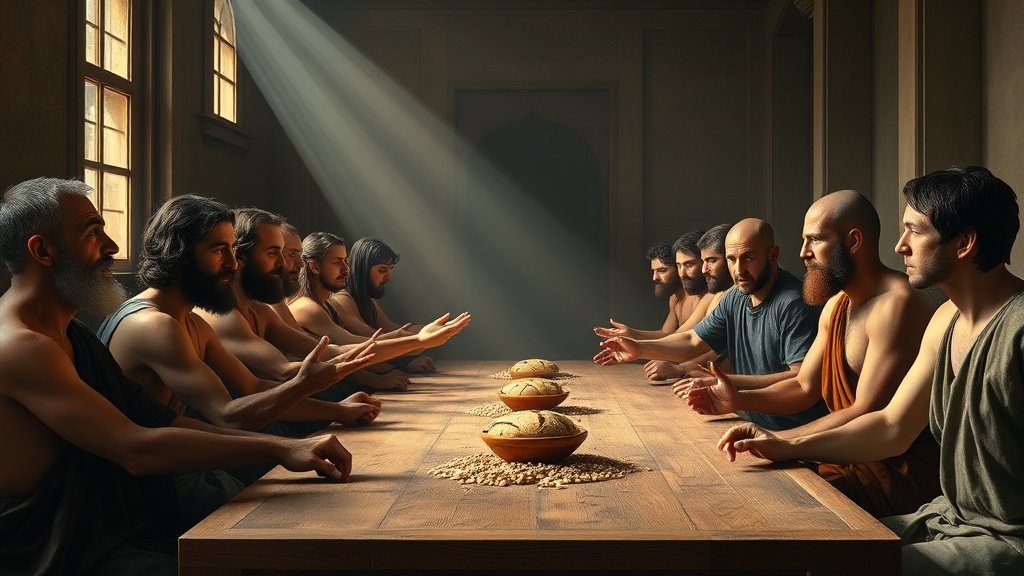
Baking and Vocation: Calling of the Hands
Many contestants on the show are small bakery owners who rise at three or four in the morning to serve their neighborhoods. Their craft is a vocation: daily, skilled, humble. The Bible speaks of vocation broadly—not only as church work but as faithful service in every honest calling. Paul reminds servants and masters, workmen and employers, that our work can be done for the Lord (Colossians 3:23). When a baker shapes dough with care, that shaping can be an act of devotion.
- Vocation is faithful presence in the place God has given.
- Craft matters—skill honors the Creator who made order in the world.
- Small acts of service build the body of Christ in neighborhood life.
Our ordinary work—whether at a bakery or a kitchen table—can be holy when offered in love and excellence.
Pressure, Perfection, and Grace
The program emphasizes intense time pressure: a single mistake thirty minutes in can be fatal for a bake. This reminds us of life's own pressures where decisions have weight and time is limited. Scripture offers a paradox: we are called to do our best, yet not to trust in perfection as our identity. Grace meets us precisely in the places where our best falls short. The judges on TV may decide winners and losers, but the true judge—God—measures motives, faithfulness, and the heart.
- Pressure can refine or crush; it reveals character.
- Perfectionism steals joy and obscures God's mercy.
- Grace invites us to learn and to keep serving despite failure.
Grace does not excuse laziness; it frees us to try again with humility, not fear.

Community, Craft, and the Economics of Bread
The show spotlights not only star bakers but many small shop owners whose livelihoods depend on faithful customers. The church has always been called to cultivate neighborly economies—to bear one another’s burdens and to support the weak. Baking is a craft passed through apprenticeship, trial, and steady practice. In the same way, the church forms people by patient discipleship, practical support, and shared tables.
- Support local craftsmanship—it sustains neighborhoods.
- Share meals and testimony; the table forms community.
- Teach the next generation—skills, stories, and values matter.
Our care for craft and neighbor becomes a gospel witness in how we spend and share.
From Competition to Communion
Competition can be healthy: it drives excellence and reveals gifts. Yet the gospel calls us to transform competition into communion. The bakers on television compete, but the bread they make nourishes people. We are invited to shift our ultimate aim: not to be declared superior, but to be instruments that feed others, build community, and point to Christ, the Bread of Life. The church should celebrate excellence while remembering that every gift is given for mutual flourishing.
- Celebrate skill without idolizing success.
- Encourage resilience and mutual aid among competitors.
- Turn public contests into opportunities for blessing the common good.
Let contests lead us to gratitude, and let skill lead us to service.
