1. A recent public appearance — a celebrity choosing a very short outfit in cold weather — raises questions about personal freedom and public influence.
2. Scripture calls us to regard the body as sacred and to practice self-control for the good of others.
3. Public figures exercise influence: their choices can shape young people's tastes and norms.
4. Christian response balances respect for personal autonomy with loving responsibility toward the vulnerable.
5. Practical steps: prayerful discernment, compassionate speech, and concrete acts of care that point others to holiness.
Brothers and sisters, today we reflect on a familiar scene: a well-known performer steps into an airport, photographed in attire that draws attention. The headlines note the outfit more than the journey. In our age of instant images, such moments become moral conversations about freedom, example, and care. We do not condemn fashion or creativity; rather, we ask how Christian faith shapes our choices and our influence in a world where impression travels faster than explanation. Let us listen to Scripture and one another with gentle hearts.
1. The Scene at the Airport: A Small Moment, Wide Ripples
The image itself is small — an arrival, a departure, a choice of clothing on a cold day — yet it ripples widely. Public figures do not act in a private vacuum. A single photograph, repeatedly shared, can shape conversations in homes, schools, and churches. Consider how young fans may emulate an admired person, how peers compare themselves, and how cultural ideals about bodies and worth are reinforced. In short:
- Media magnifies.
- Admiration leads to imitation.
- Impression shapes identity.
2. Scripture Reminds Us: The Body as Sacred
Paul writes plainly: our bodies are not mere shells but the dwelling place of the Spirit. This teaching shapes a Christian ethic of care toward the body that is neither legalistic nor lax. The sacredness of the body calls us to honor God with how we live, dress, and present ourselves. This is not chiefly about style rules but about a posture of stewardship and reverence that reflects God's love. Christian living holds together personal dignity and communal witness.
- Honor — treat the body with reverence.
- Stewardship — care as a responsibility, not a burden.
- Witness — present the gospel in our everyday choices.
3. Freedom and Responsibility: Walking the Tension
Christian freedom matters. Adults may choose clothing as an expression of creativity, vocation, or identity. Yet freedom in Scripture is never solitary; it is ordered by love. Paul’s counsel about self-control and not causing another to stumble applies here. When a choice is likely to be imitated by young people or to cause hurt, love may call us to restraint. This is a pastoral, not punitive, stance.
- Freedom — we respect personal autonomy for responsible adults.
- Responsibility — public influence invites careful judgment.
- Compassion — consider how choices affect the vulnerable.
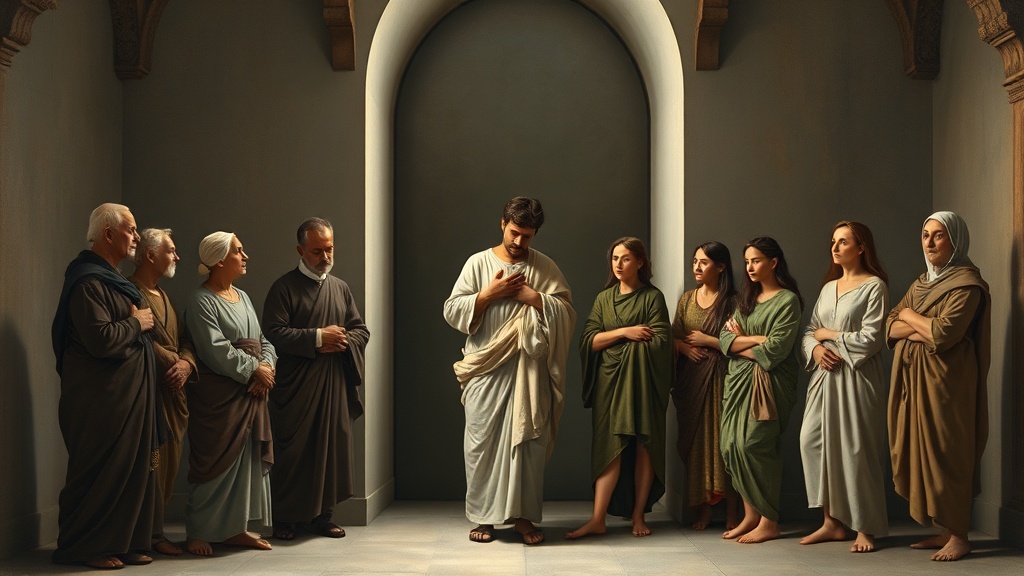
4. Practical Steps for Families and Churches
What can we do practically? The church is a place to teach habits of discernment and tenderness. Parents and leaders can guide without shaming, equipping young people to think biblically about image, worth, and influence.
- Teach media literacy — discuss images, intent, and consequence.
- Model stewardship — show care for health, warmth, and dignity.
- Speak compassionately — correct with love, not condemnation.

5. Conclusion: Love, Wisdom, and Hope
We end with a hopeful note. The gospel does not demand sameness; it calls us into a shared life where freedom and love meet. We can admire creativity while teaching prudence. We can celebrate beauty while protecting the vulnerable. Let the church be a place where the worth of every person is affirmed and where influence is used for healing and truth.
- Practice humility in public life.
- Offer guidance with patience.
- Act always in love.
