1. A modern story: actress Han So-hee's habit of working even on vacation invites reflection on work, calling, and rest.
2. Work can be joyful and affirming, yet unchecked habits risk exhaustion and relational loss.
3. Scripture honors both meaningful labor and Sabbath rest as a divine rhythm (Exodus 20:8-11).
4. We are called to hold vocation, rest, and community in tension rather than idolize relentless activity.
5. Practical steps: examine motives, practice Sabbath rhythms, and re-learn rest as sacred stewardship.
1. A Story from the Stage: When Talent Keeps Moving
We have all read or heard about public lives that seem to live at full throttle. A recent example: actress Han So-hee, despite fame and the option to idle, choosing to spend free hours helping at a friend's café — not because she must, but because she wants to. Her words were plain: when she is asked to rest an entire week, she prefers to do something useful; in her own phrase, she is 'one who keeps working' because it brings her satisfaction. This is more than a headline. It is a human portrait of desire: the pull toward usefulness, accomplishment, and the near-habit of filling empty hours with tasks. For many of us — whether retired, still working, or in a season of caregiving — that impulse feels familiar.
- Public persona and private habit can differ, but habits reveal deeper longings.
- Work can be restorative in identity and craft, not only a burden.
- Yet patterns of perpetual activity may hide avoidance, fear, or an idol of productivity.
2. Work as Gift — and the Risk of Idolatry
The Bible affirms work. Human labor is not a curse alone; it is part of God’s good ordering. We are created to tend, to name, to cultivate — to be co-workers with God. At the same time, Scripture warns against letting any good thing become absolute. When the pursuit of accomplishment replaces Sabbath, family, or prayer, activity has crossed from gift into competing lordship. In Han So-hee’s case she claims agency — 'I choose to work' — and that honesty helps us ask healthy questions: Are we choosing well? Do our choices nourish soul and neighbors? Or do they protect us from sorrow, boredom, or relationship?
- Work as vocation: it points beyond paycheck to purpose.
- Work as identity: healthy when it accompanies other identities (child of God, spouse, neighbor).
- Work as refuge: unhealthy if used to avoid needed rest or relationship.
3. Sabbath as Countercultural Gift
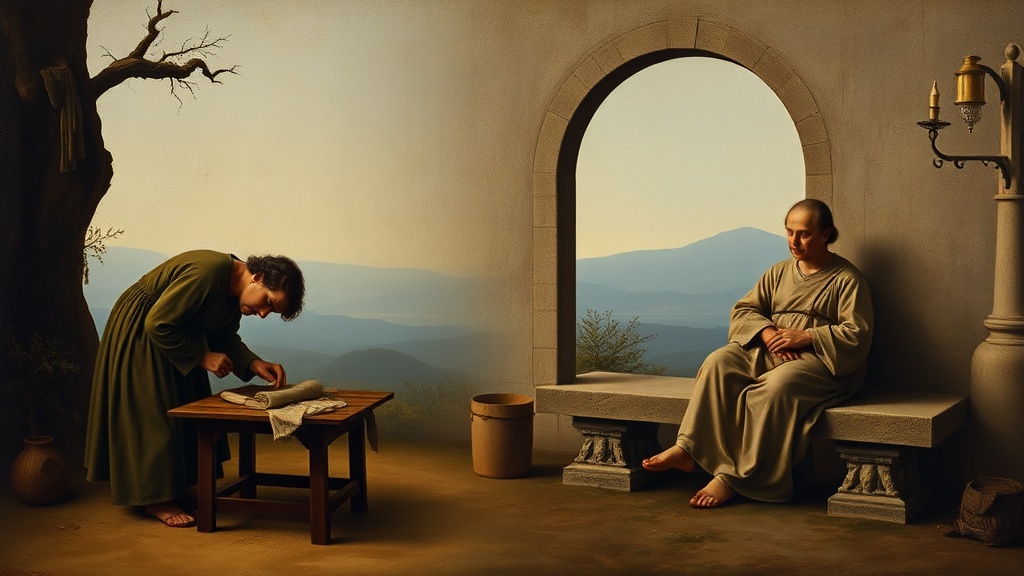
God did not merely command rest to punish busyness. The Sabbath rhythm anchors creation: six days for labor, one day for holy rest. This pattern teaches dependence, trust, and limits. Observing Sabbath is not an antiquated legalism; it is a countercultural posture that proclaims: I am not defined by what I produce. Han So-hee’s reluctance to rest reminds us that modern temptations include the conviction that time must be filled with output. When God invites a ceasefire, He invites restoration, presence, and remembrance — of who we are in relation to our Maker.
4. Practical Rhythms: Balance, Boundaries, and Community
Turning theology into life requires practices. For someone who loves to work, a rhythm can look like: set boundaries (times when work stops), designate restorative practices (prayer, neighbors, hobbies), and invite accountability. Community helps temper extremes: family and friends can lovingly remind us to rest. The church can offer templates — prayer gatherings, shared meals, and teaching on stewardship — to reshape priorities. This is not about guilt but formation: learning to hold activity lightly and to treasure presence.
- Boundaries: regular stop times and device-free periods.
- Rest rituals: restful hobbies, nature, or creative play.
- Community checks: one friend who can gently ask, 'Are you resting?'

5. A Pastoral Invitation: Vocation, Rest, and Stewardship
As a congregation we can celebrate faithful work while cultivating holy rest. We do not vilify those who love to labor; rather we invite them into a fuller freedom in Christ. Rest is not a retreat from purpose but part of faithful stewardship of our time, body, and relationships. To steward life well means to practice Sabbath, to place limits on activity, and to anchor identity in God's love rather than achievements. Let the example of a public figure who keeps working prompt honest self-examination: what do we serve when we fill every hour? Where might God be inviting you to trust Him with unfilled time?
- Remember vocation: work as service, not sole identity.
- Restore rhythms: Sabbath, sabbatical, seasons of slower pace.
- Rejoice in community: let others remind you of God's priorities.
