1. The topic concerns public allegations: the MC Mong prostitution suspicion arising from CCTV footage and subsequent public debate.
2. Timeline: neighborhood complaints in June 2025, video release on Feb 4, 2026, and MC Mong's public denial on Feb 5.
3. Key issues: risk of illegal CCTV disclosure, lack of clear evidence, and cascading rumors that harm reputation.
4. Biblical guidance calls us to careful discernment, defend the innocent, and restrain gossip.
5. Practical church response: verify facts, protect dignity, pursue truth with mercy and integrity.
Introduction: When a Name Meets a Storm
We gather today reflecting on a painful modern scene: public allegation and the torrent of rumor that follows. The recent matter often described as the MC Mong prostitution suspicion began with neighborhood complaints and closed-circuit footage that later surfaced on media channels. Quickly, narrative fragments multiplied across platforms, and the accused responded with denial and context. Even when a case involves a public figure, the church must resist being carried by sensational currents. Our first task is not to amplify judgment, but to remember the dignity of every person and the call to truth. In a world where a single image or clip can be replayed and reinterpreted, Christians are called to a steadier standard: to seek facts, to protect vulnerable reputations from careless harm, and to speak with both candor and compassion.
- The situation began with resident complaints and CCTV review.
- Footage was later released publicly, prompting debate.
- The named person issued a public denial and explanation.
The Damage of Rumor: How Words and Images Wound
Rumor is ancient, but social media has enlarged its reach and speed; the Bible warns of this danger. Gossip and unverified accusation tear networks of trust, sometimes forever altering a person's life before courts or conscience examine the facts. The present case highlights three wounds: first, the possible illegal disclosure of private footage that violates privacy and due process; second, the leap from association to accusation without corroborating evidence; third, the collateral harm to families, colleagues, and community members drawn into speculation. False or premature stories can become a second injustice, compounding harm beyond the original incident. As Christians we must name this reality honestly: words and images can wound as surely as actions, and we are accountable for how we use them.
The Call to Discernment: Truth, Evidence, and Mercy
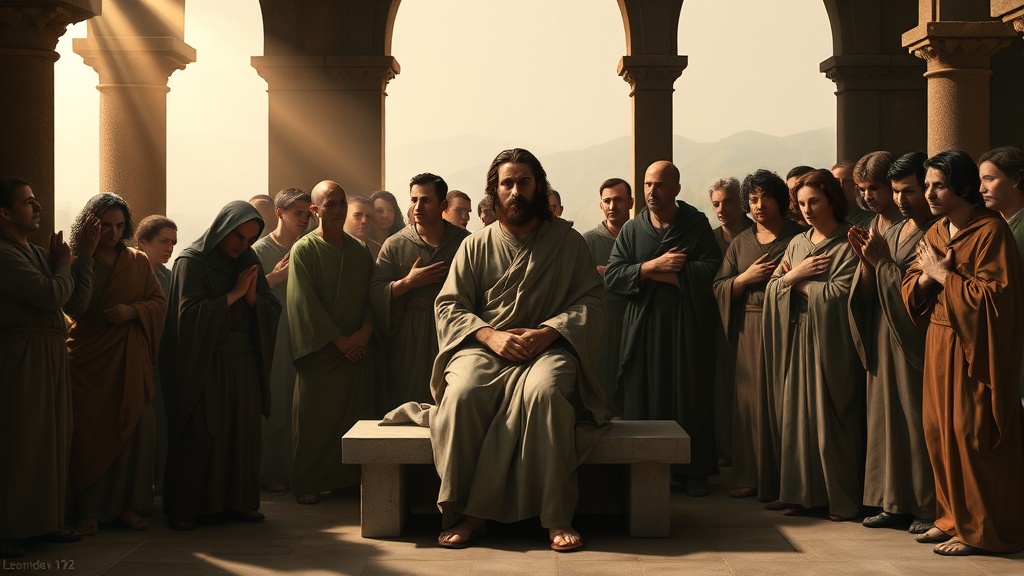
Scripture calls the people of God to be wise as serpents and innocent as doves — to weigh evidence and act in love. When allegations surface, a faithful response includes careful fact-gathering, protecting legal and personal privacy, and resisting the rush to characterize motive or guilt. Discernment refuses both blanket defense and reflexive condemnation; it insists upon justice and the preservation of dignity. Practically, discernment looks like verifying sources, recognizing the limits of partial footage, and demanding appropriate legal and ethical procedures for any investigation. We defend the vulnerable from false harm and we also refuse to protect wrongdoing by silence — both demands are biblical. The Christian posture holds truth and mercy together: insistence on evidence does not negate compassion for those whose names are in the storm.
- Verify sources and motives behind disclosures.
- Respect privacy and due process rather than public trial by media.
- Pray for both alleged victims and the accused as we seek truth.
Practical Church Response: Humble Witness in a Noisy World
The local church must be a model of measured response. When church members encounter high-profile controversies — such as the MC Mong prostitution suspicion — our practices should reflect gospel wisdom: cultivate humility, avoid rumor-mongering, and offer pastoral care where lives are affected. This includes three concrete habits: listening carefully before speaking; offering counsel to those tempted to spread or weaponize footage; and receiving people who come seeking confession, counsel, or refuge. The church can also teach media literacy, emphasizing how private imaging and illicit leaks cause real harm, and encouraging members to report suspected illegal disclosures to authorities rather than circulate them. Our witness gains credibility when we refuse both sensationalism and partisan cover-up, grounding speech in truth with a posture of mercy.

Conclusion: Justice Tempered by Grace
We end with a sober reminder: reputation is fragile, truth is necessary, and mercy is commanded. The present controversy — whether about illegal CCTV, insufficient evidence, or personal failing — calls the church to a faithful middle way. We must insist on due process and resist the rush of social judgment; we must also care for victims and stand against wrongdoing when it is proven. As followers of Christ, our measure is not the latest headline but the enduring commands to love God, seek justice, and walk humbly. Let us be a community that guards tongues, cares for the wounded, and pursues truth with integrity, so that our witness honors God and protects the dignity of our neighbors.
