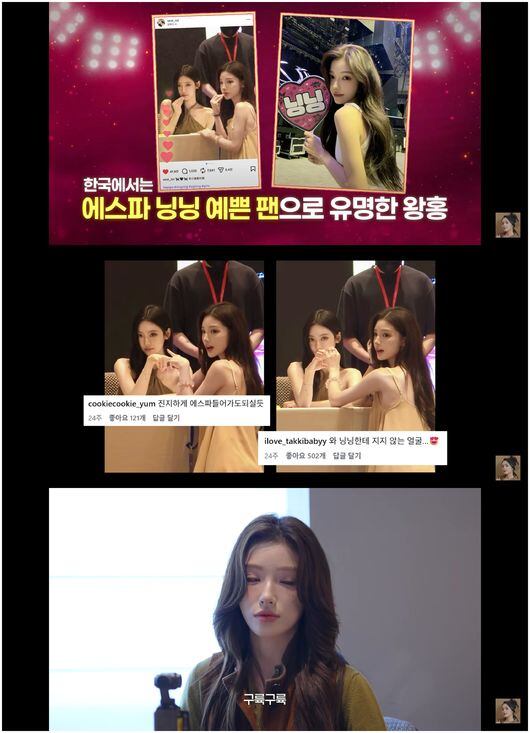
1. A recent viral video showed an influencer who admires a K-pop artist and admitted, 'I am Photoshop', prompting conversation about edited appearance.
2. The moment highlights how social media blends makeup, filters, and editing to shape beauty standards.
3. Scripture calls us to weigh outer appearance against the lasting value of the heart and character.
4. The church can respond by encouraging authenticity, compassion, and a renewed sense of self-worth rooted in Christ.
5. Practical steps include teaching media wisdom, celebrating inner virtues, and cultivating community that honors people, not images.
1. The Story Behind the Mirror
A short while ago a video surfaced that many of us have seen on our phones: a well-known influencer, herself admired for beauty, appears beside a beloved singer from the K-pop scene and casually says, 'I am Photoshop.' That confession landed like a small thunderclap. It is tempting to treat the clip as mere gossip, but as followers of Jesus we are invited to look deeper. Our culture now layers makeup, filters, and editing so seamlessly that what we call 'real' can feel uncertain. When a person we admire admits that images are curated, our hearts respond: relief, suspicion, envy, or even anger. These are honest human reactions.
- What we saw: a crafted public image and a candid behind-the-scenes moment.
- What we feel: comparison, curiosity, longing for authenticity.
- What we need: spiritual perspective that values the heart.
2. The Power and Cost of Images
Images are not neutral. In modern life a photograph can shape what an entire generation regards as beautiful. Advertising, entertainment, and social media collaborate to set standards that few can meet without help from tools and filters. The phrase 'I am Photoshop' is shorthand for a broader reality: beauty is engineered. This engineering has consequences. Young people compare, elders feel displaced, and self-worth is often tethered to a pixelated ideal. The Bible does not condemn care for appearance in itself, but it repeatedly reminds us of the risk when outward beauty becomes our measure of worth.
- Images influence identity.
- Edited beauty can distort self-perception.
- Reliance on external praise leaves us fragile.

3. The Cost to Our Souls and Relationships
When beauty becomes performance, relationships suffer. People feel pressure to perform for likes and to present a perfected life. This performance can hollow out intimacy; we may praise a polished image while neglecting the needs of a neighbor, a child, or a spouse. Scripture warns about living for show. Yet there is grace: when an admired person confesses the artifice behind their image, it can open pathways to vulnerability and healing. The church is a place where behind-the-camera honesty is welcomed and where we can practice belonging without perfection.
- Comparison undermines joy.
- Performance corrodes trust.
- Vulnerability rebuilds community.
4. Gospel Perspectives on True Beauty
The good news of Jesus reframes beauty entirely. God looks not at surface but at the heart (1 Samuel 16:7), and Christ calls us to cultivate inward qualities that outlast any filter. The Scriptures speak plainly: charm and beauty fade, but a gentle and quiet spirit is precious (Proverbs 31:30; 1 Peter 3:3-4). Those verses are not a call to neglect grooming or to despise artistic expression; they are an invitation to root our esteem in God's love, not in public applause. The gospel also brings freedom to confess imperfections and to find identity in being beloved by God rather than in being 'liked' online.
'(1 Samuel 16:7 ESV) The LORD sees not as man sees: man looks on the outward appearance, but the LORD looks on the heart.'
5. Practical Steps for the Church
How does a congregation help people live free from the tyranny of curated images? Begin with teaching and move toward practice. Offer classes on media literacy, create small groups where honesty is modeled, and celebrate stories of character more than appearance. Encourage older members to mentor younger ones in spiritual disciplines that build identity in Christ. Name the harm of comparison and provide alternatives: acts of service, communal worship, and disciplines that form the heart. The church can be a place where people learn to be seen and loved for who they are, not for how they photograph.
- Teach media wisdom in age-appropriate ways.
- Create safe groups for honest sharing.
- Model dignity that comes from Christ, not camera filters.
