1. Modern fashion often balances respect for heritage with daring reinvention, offering a parable for spiritual life.
2. True freedom in Christ frees us to create, to care, and to love within wise boundaries.
3. Tradition without renewal can calcify; innovation without roots can become hollow.
4. Public influence calls for humble stewardship rather than mere spectacle.
5. We are invited to live beauty that honors God—both modest and courageous.
A Gathering: Why Clothes Stir Our Souls
We have all watched a stage where cloth and posture speak louder than words. A fashion show can feel like a parable: textures and choices tell stories about identity, freedom, and belonging. When a public figure enters as an apparent embodiment of a style, people notice not only the garment but the message behind it. As Christians we are not merely amused or offended by such displays; we are called to ask questions: What does freedom look like? What are the boundaries that protect dignity? How does beauty reflect God? We learn that clothing can be both a mirror and a ministry. In this light, the present cultural conversation about blending classic forms with daring elements becomes an invitation to consider deeper spiritual themes—how God honors heritage while inviting renewal.
What Freedom Means Today
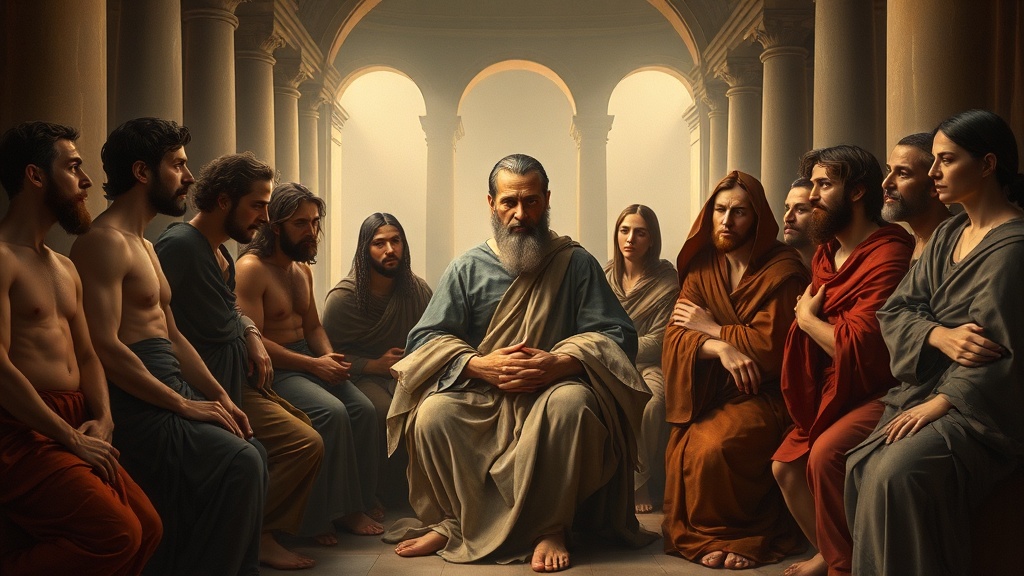
In Galatians Paul proclaims, "It is for freedom that Christ has set us free." This freedom is not license to neglect love or common good; rather, it frees us to live responsibly. In a culture that applauds boundary-breaking, we must distinguish between liberation and license. Consider three practical moves:
- Freedom is relational: it honors neighbors and uplifts the vulnerable.
- Freedom is creative: it allows new expressions while rooted in truth.
- Freedom is humble: it admits limits where love requires restraint.
Honoring Tradition While Welcoming Innovation
Faith communities have long held rituals and garments that preserve memory and teach identity. Likewise, fashion houses draw on heritage—textures, cuts, symbols—to speak continuity. But heritage must breathe. Innovation without roots can seem frivolous; tradition without renewal can become rigid. Consider a simple pattern:
- Remember: hold the lessons of the past.
- Reframe: let new contexts shape how old forms are used.
- Renew: experiment generously but responsibly.

Boundaries as Loving Guidance
Boundaries are not enemies of beauty; they are its frame. Modesty and dignity are forms of love—for ourselves, for our neighbors, and for the sacred. In public life, influence calls for stewardship rather than performance. Consider these points:
- Modesty protects community trust and invites reverence.
- Boundaries prevent the objectification of persons.
- Wise limits make room for true freedom to flourish.
Living as Gentle Ambassadors
Public figures may serve as ambassadors of a style or cause. The church likewise calls every believer to be an ambassador for Christ (2 Corinthians 5). Influence carries responsibility: to witness through kindness, to model restraint where crowds would prefer spectacle. Here are simple markers of faithful witness:
- Humility in presence: let actions preach more than words.
- Generosity in resources: share time, talent, goods.
- Consistency in character: let life and speech align.
