1. The tvN drama "Goblin" and its 10th anniversary reunion invite reflection on immortal longing and enduring love.
2. In the drama, immortality is portrayed as a lonely burden relieved by sacrificial human love.
3. Scripture reframes true immortality as God’s gift through Christ and the promise of resurrection (John 3:16; 1 Corinthians 15).
4. Christians are called to practice timeless love—grace, reconciliation, and faithful presence—in ordinary life.
5. The sermon invites us: do not seek escape from death apart from Christ; receive eternal life in relationship with Him.
Introduction: Longing for Immortality
Many of us remember the sweeping images and characters of the drama Goblin—an immortal figure who, after nine centuries, asks, "Why can I not die?" That question echoes an ancient human ache. We long to be spared loss, to hold on to moments and people, to preserve what we love. The reunion of the cast—Gong Yoo, Kim Go-eun, Lee Dong-wook, and Yoo In-na—stirs memory and invites a fresh conversation about what it means to live forever. As Christians we must listen: longing for immortality is not inherently wrong; Scripture says God has put eternity in our hearts (Ecclesiastes 3:11). Yet the gospel shows that the way to true, flourishing immortality runs through God’s mercy, not human cleverness.
- Recall the drama's core question: why does the immortal long for death?
- Recognize the universal desire to outlast loss.
- Hear the gospel's offer of a different immortality.
The Hollow of Immortality
In Goblin the gift of endless life becomes a silent wound: centuries of seeing loved ones die, the burden of unending days. Immortality without meaning is loneliness. The Bible does not promise that human life on earth will be free of sorrow; yet it teaches that death is not the final word for those in Christ. There is a difference between an unending biological existence and the new, redeemed life God gives. Hebrews reminds us that death is appointed to everyone once, but the gospel promises resurrection and transformation (Hebrews 9:27; 1 Corinthians 15). Thus the Christian hope answers the drama's sorrow by saying: immortality intended by God is not an aimless eternity but a restored, meaningful communion with Him.
- Immortality as endlessness often leads to emptiness.
- Biblical immortality centers on relationship and restoration.
- Resurrection removes the sting of death and gives hope.
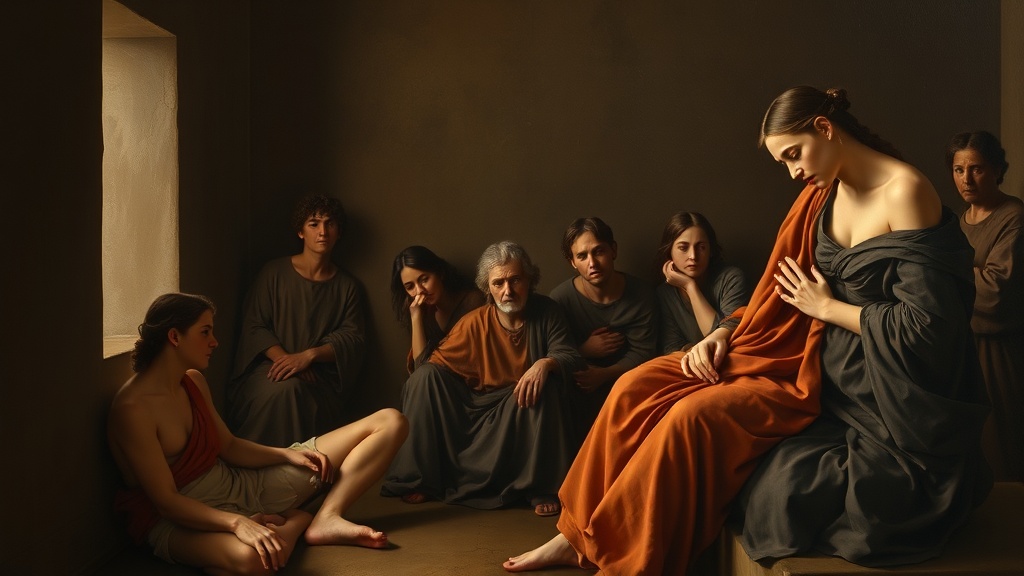
The Power of Eternal Love
Goblin's release comes through a human bride whose love risks everything. That sacrificial love points us to the cross. The drama dramatizes a truth the Scriptures proclaim: love that lays down life is the hinge of redemption. John 3:16 gives us the gospel in a single line—God’s love gives what we cannot give ourselves, eternal life through Christ. True immortality is not escape from death but entrance into God’s unending life through Jesus. The apostle Paul teaches that Christ’s resurrection is the guarantee that death has been swallowed up in victory (1 Corinthians 15:54). Love and resurrection are not separate: God’s love culminates in Christ rising to restore all things.
- Human love points toward divine love but cannot replace it.
- Christ’s self-giving is the source of our eternal hope.
- Resurrection turns mourning into a future of reunion.
Ten-Year Echoes: Memory, Community, and Witness
The reunion program for Goblin surfaces another important Christian theme: memory and community. Ten years later, viewers gather to remember scenes that moved them. The church too remembers—through liturgy, sacraments, and story-telling—we rehearse God’s faithfulness. Memory without transformation can become mere nostalgia; memory shaped by grace becomes witness. Paul urges the church to remember Jesus’ words and deeds so our present life is ordered toward the coming kingdom. A community that remembers God’s acts is a community that waits, works, and loves with patience and hope.
- Memory can deepen faith when turned into gratitude.
- Community sustains hope across seasons of loss.
- Our witness points others to the true source of eternal life.

Conclusion: An Invitation to True Eternal Life
As we enjoy memories stirred by a beloved drama and its reunion, let us also be grounded in the story that gives life meaning. The gospel invites us not to a self-made immortality but to receive God’s life in Christ. If you find yourself drawn to the drama’s longing, hear this pastoral word: do not let your desire for endless days lead you away from the One who gives them rightly. Receive Christ’s love, repent where love has hardened, and live now as signs of the coming resurrection. The church is a pilgrim people who live between now and the promised forever—loving, serving, and proclaiming the One who gives true life.
- Receive God’s gift of life through faith in Christ.
- Live sacrificially as a present foretaste of the resurrection.
- Keep memory and hope together in faithful community.
