1. Dementia prevention is a loving stewardship of the body and mind given by God.
2. Regular movement, good circulation, and social care support cognitive health.
3. Nutrition — including nuts and nutrients like phosphatidylserine — may help sustain memory and brain cells.
4. Simple daily habits and community vigilance are powerful for the person with mild cognitive change.
5. Our faith calls us to preserve dignity and to live 'as ourselves' to the end, trusting God for eternal hope.
Introduction: A Sacred Calling to Care for the Mind
We live in a time some call the 'age of a million cases' of dementia. Numbers and headlines can make us feel helpless, but the Christian life is not one of helplessness. Scripture begins with the reminder that our bodies and minds bear God's image (Genesis 1:27). This means that caring for our memory, attention, and daily thinking is not merely a personal project but a form of stewardship. We honor God when we attend to both body and mind, protecting the gift of memory and identity. As we reflect today, remember the story of a well-known voice actor who, after being diagnosed with mild cognitive impairment, pursued walking, dietary adjustments, and attentive routines to keep his mind engaged. His example is not a medical prescription but a pastoral encouragement: faithfulness in small things matters.
- Recognize the reality: mild cognitive changes deserve attention, not shame.
- Understand prevention as daily practice, not a one-time feat.
- Embrace community: we care for one another in tangible ways.
Movement and Circulation: The Body Prays with Its Feet
Movement is not only for muscles; it is life for the brain. Many who have protected their minds report steady, simple activity — daily walking, hiking several times a week, and attention to circulation. The rhythms of movement improve blood flow, deliver oxygen, and support the brain's waste-removal systems. Christians have long practiced bodily disciplines as part of spiritual life; here, physical discipline joins spiritual discipline in keeping the mind clear. Small, consistent habits — a 6,000-step walk, gentle temple massage for five minutes, or stretching each morning — compound into meaningful benefit.
- Aim for regular, moderate activity most days of the week.
- Include balance and coordination exercises to reduce fall risk.
- Gentle massage or pressure along the head and neck can comfort and encourage circulation.
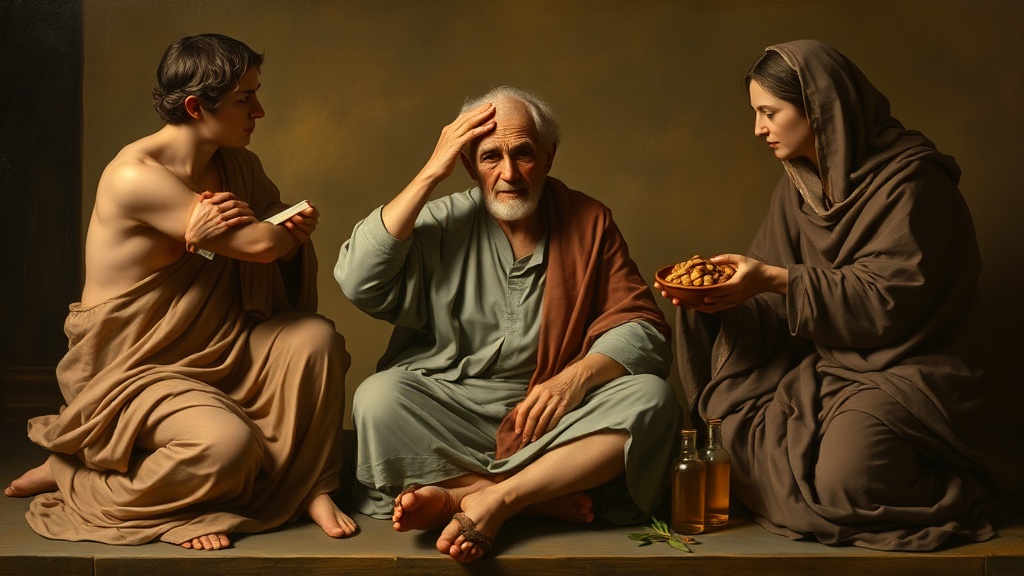
Nutrition and Gentle Supplements: Feed the Temple
Nutrition matters for both body and mind. Simple foods like nuts provide healthy fats and antioxidants that support cognitive resilience. Research also points to nutrients such as phosphatidylserine as one factor that may assist cell membranes and cognitive processes. We must be careful: supplements are not miracles, but they can be part of a wise, moderate plan. The Christian approach is prudence and gratitude — use what helps, avoid excess, and consult trusted clinicians when needed. Eating well honors the Creator who gave us appetites and entrusted us with bodies to steward.
- Include small servings of nuts several times a week as a brain-friendly snack.
- Prefer whole foods: vegetables, lean proteins, and sources of healthy fats.
- Consider nutrition as part of a larger lifestyle, not a substitute for social care and movement.
Habits of Care and the Power of Community
No one is meant to walk the path of aging alone. The person with early memory changes benefits most from a companion who notices, encourages routines, and joins in activities. The church is uniquely placed to provide practical support: shared walks, meal trains, phone check-ins, and prayer. James reminds us to confess and pray for one another; such spiritual practices are part of the healing web. Community keeps memory alive by providing stories, presence, and shared meaning.
- Establish simple routines that reinforce memory: shared meals, calendars, and short, repeated conversations.
- Train volunteers to notice changes and respond with compassion, not alarm.
- Make pastoral visits that combine prayer, scripture, and practical help.

Conclusion: Living True to Ourselves in Hope
Our goal is not merely length of life but faithful, dignified living to the end. Caring for the mind — through movement, nutrition, attentive routines, and community — is a way we say, 'I will be myself as long as I can.' This is not a path of fear but of hope: the care we offer reflects God’s care and points beyond this life to the ultimate healing promised in Christ. We prepare our bodies and minds with practical love while we rest in God’s promise of eternal life.
- Keep steady: choose one habit and maintain it for a month.
- Invite community: make caring for memory part of church life.
- Trust God: faithful small steps matter before the Lord.
