1. Eunma Apartment and Eunma Shopping Center are undergoing major redevelopment that affects housing, commerce, and neighborhood life.
2. Redevelopment brings increased real estate value and practical concerns like sunlight access and daily convenience.
3. The situation invites spiritual reflection on material value, stewardship, and care for neighbors.
4. The church can offer presence, advocacy for the vulnerable, and guidance rooted in Scripture.
5. Practical steps include listening, sharing resources, and advocating for equitable renewal.
Memory and Place: The Story of Eunma
The long history of Eunma Apartment, built in 1979, and the adjacent Eunma Shopping Center has shaped lives for generations. Families have celebrated weddings, mourned losses, and formed daily rhythms around those courtyards and stalls. Redevelopment plans — taller towers, thousands of new units, and changing commercial footprints — can feel like a threat to those memories. We honor that history not by resisting every change, but by remembering what made the place holy: relationships and mutual care. Our attachments to place are not merely sentimental; they reveal what we value and whom we love.
- Remember elders who walked the halls.
- Recall vendors whose stalls shaped daily life.
- Honor shared stories that form neighborhood identity.
The Temptation of Value: Money, Markets, and Meaning
It is natural for land and buildings to increase in monetary value when a redevelopment plan is announced. Auctions and bids, like the recent sale of a nearby shopping property, show how markets respond to expectation. Yet the Bible warns us about placing our hearts on transient wealth. Jesus said to store treasures in heaven rather than on earth. This is not a dismissal of economic realities; rather, it is an invitation to order our loves rightly. We must ask: Will increased value enrich relationships and common life, or will it widen gaps and displace the vulnerable?
- Economic growth can fund better facilities and safer homes.
- But unchecked profit can harm those with the least voice.
- Christ calls us to measure success by justice and mercy as well as by price.
Called to Stewardship and Neighborliness
Redevelopment presents an opportunity for faithful stewardship. Stewardship means tending what God has given — the land, the built environment, and the people. It calls for wise planning that protects sunlight, daily conveniences, and access for the elderly and children. It also presses us to advocate for fair relocation processes and for small businesses in Eunma Shopping Center that depend on daily foot traffic. The Christian way balances care for creation with care for neighbors, seeking solutions that honor dignity and community life.
- Stewardship: preserve what sustains life and communal rhythm.
- Advocacy: ensure plans include provisions for the vulnerable.
- Presence: maintain pastoral care through transitions.
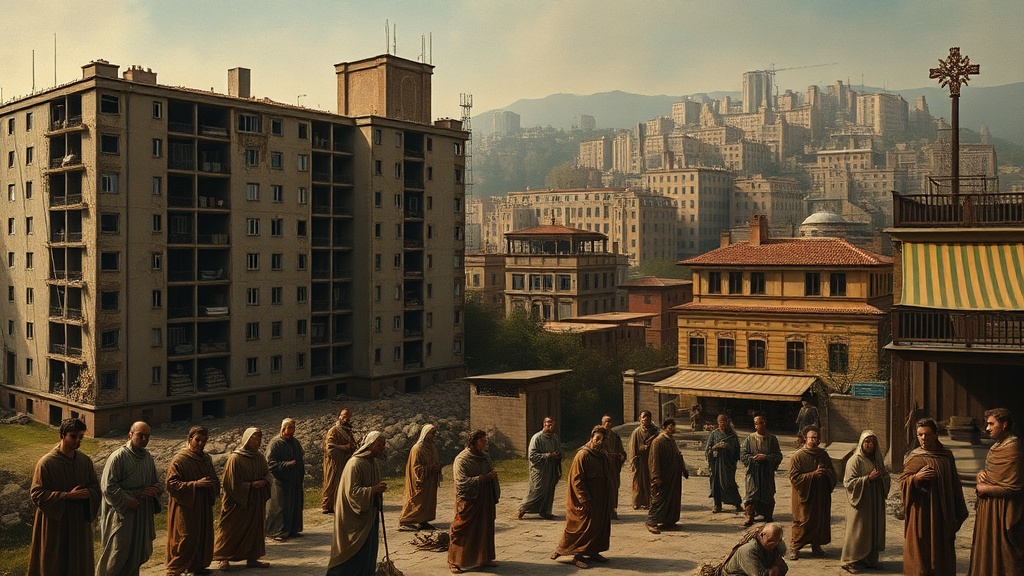
Redevelopment and the Common Good
As new towers rise, questions about light, open space, and daily convenience become spiritual matters because they affect human flourishing. The church can act as mediator: holding developers accountable, asking for designs that respect sunlight and communal space, and seeking provision for affordable housing. Faith communities can also provide social programs that ease transitions — food support, counseling, legal referrals. In doing so, we witness that progress is not merely about height or price but about the flourishing of persons made in God's image.
- Engage local planners respectfully and constructively.
- Propose community-minded alternatives for marketplaces.
- Offer church spaces for temporary needs during construction.
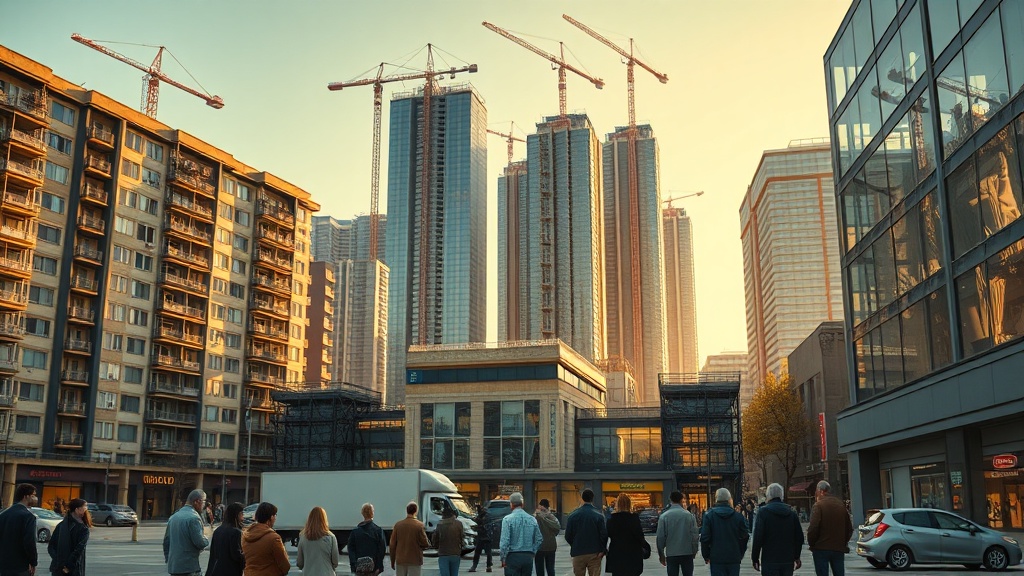
How the Church Walks with the People
The church's role is practical and prophetic: practical in offering concrete help, prophetic in calling every stakeholder to justice and mercy. We do not simplify complex economic systems, but we remind the city that progress measured only by market value impoverishes the soul. We lean into practices of compassion, communal giving, and shared decision-making. Small acts — visiting older residents, supporting displaced stall owners, arranging transport to new facilities — are signs of the kingdom that care for both body and spirit.
- Compassionate presence: regular visits and check-ins.
- Resource sharing: emergency funds or volunteer labor.
- Collective voice: advocating for fair planning processes.
