1. We remember the life and loss of Choi Jin-young on his 16th memorial, honoring a beloved artist and brother.
2. The narrative calls the church to attend carefully to grief and mental health among families and neighbors.
3. Caring for those left behind—children, elderly relatives, and grieving households—is a Gospel responsibility.
4. Scripture offers consolation and a practical pattern for community support in seasons of deep sorrow.
5. We commit to hope that neither despair nor memory has the last word: God walks with the broken-hearted.
Remembering a Life
Today we gather our memories into a gentle portrait: Choi Jin-young, known to many for his music and acting, and to his family as son and brother. A life in public view carried private joys and pains. When grief struck his household—first the loss of his sister, then his own untimely death—many questions about how we care for one another rose to the surface. The Christian posture is not to sensationalize suffering but to hold it with reverence. We remember with honesty: a talented person who loved family, who paused public life to care for his nieces, and who struggled with inner darkness. Memory becomes ministry when it teaches us to bear one another's burdens tangibly and quietly.
- Public service and private sorrow can coexist.
- Caregiving often takes a heavy emotional toll.
- Remembrance should lead to response, not mere nostalgia.
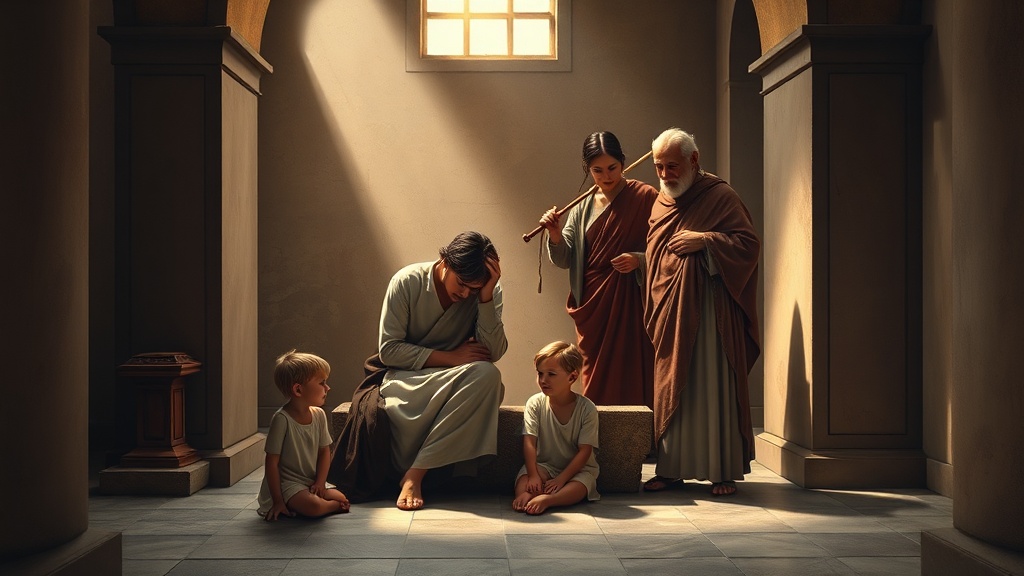
The Weight of Grief
Grief is not a single emotion but a long corridor of moments—shock, anger, numbness, yearning. In communities like ours, grief often evokes a reflex to fix or explain. Yet many families live with complex sorrow that includes mental health struggles such as depression. When public figures suffer, their stories can remind the church to take communal responsibility for mental wellbeing. Ecclesial care means listening without hurried verdicts, creating safe spaces for tears, and equipping practical help. We are reminded that spiritual accompaniment must include attention to medical, psychological, and social needs. Pastoral presence, support groups, and referrals to professionals are acts of love, not failures of faith.
- Grief is multifaceted—listen for its different expressions.
- Mental health and spiritual care are partners, not rivals.
- Community responsibility includes practical and professional help.
Tending the Wounded: Family and Faith
After deep loss, families often become the primary caregivers of memory and of the living who remain. Choi Jin-young's choice to step back and watch over his nieces and his mother reminds us that kinship care is holy work and heavy work. The church should not outsource such burdens to a few; we are called as a body to support the household. Hospitality, visiting, sharing meals, and offering concrete assistance with childcare or errands are Gospel acts. These visible helps reflect an invisible grace—God's presence with those who are vulnerable. When the community takes part in caregiving, isolation is broken and hope is stewarded in tiny but decisive ways.
- Caregiving is shared work, not a private obligation.
- Simple acts (meals, errands, companionship) embody the Gospel.
- The church can create networks of support for bereaved families.
The Church's Call to Care
The family of the late Choi had ties to Gangnam Central Baptist Church; such connections remind us that congregations are meant to be refuge and resource. Scripture repeatedly frames the people of God as a household where burdens are shared and prayers are persistent (Galatians 6:2; 1 Thessalonians 5:11). Our calling is practical: to be present at funerals and memorials, to maintain gentle companionship after the cameras leave, and to develop ministries for grief counseling and elder care. We must resist the temptation to reduce ministry to programs alone; relational consistency—calling, visiting, remembering anniversaries—matters profoundly to those who grieve.
- Faith communities are a long-term presence, not a momentary gesture.
- Small, consistent actions honor memory and sustain recovery.
- Prayer, support groups, and trained counselors form an integrated response.

Hope in Sorrow
Grief does not deny hope; it refines it. The Gospel frames suffering inside a larger story: God enters human pain in Christ and brings restoration that begins now and reaches into eternity. Remembering those who died, we do not worship sorrow but we refuse to pretend it is small. We offer prayer, remembrance, and practical solidarity while pointing to the promise that God comforts and transforms. In honoring lives like Choi Jin-young’s, we commit to actions that safeguard others from slipping into isolation—teaching our children to speak about feelings, training caregivers, and listening without judgment. This is how remembrance feeds hope and how community resists despair.
- Hope coexists with aching; it is not denial.
- Remembrance should motivate prevention and care for the living.
- Our faithful presence can be a lifeline for those at risk.
