The 2026 Korean IPO market is surging with many large listings and a dramatic increase in offering size.
Public subscription has become intensely competitive, creating a "lottery" atmosphere among retail investors.
Causes include cyclical upswing, policy changes, and global market signals—yet overheating risks are rising.
Biblical wisdom warns against letting money become master and encourages faithful stewardship.
We are called to discernment, patience, and a community-minded posture toward wealth.
The Fever: What We See
The year 2026 has opened with a remarkable surge of initial public offerings: many established companies aim to list, and the aggregate public offering size has climbed sharply. Investors in public subscriptions face extraordinarily high allocation ratios; for many retail applicants, securing even a single share feels like winning a lottery. This frenzy carries an emotional temperature—excitement, fear of missing out, and the hope of quick gains. Financially, such activity can lift markets and restore confidence; spiritually, it exposes human hearts to the allure of sudden wealth and speculative urgency. The danger is not the market itself but when our desires begin to make the market our master.
- High number of listings and large offering sizes
- Extreme subscription competition and 'lottery' mentality
- Short-term profit seeking and speculative flows
Why It Happens
Several forces have converged to produce this overheated environment. Economically, we are in a cyclical upswing for IPOs, and policy adjustments since mid-2025 have smoothed listing pathways. Market sentiment—driven by notable high-profile listings globally and an index at record levels—draws capital and attention. Retail platforms and social networks amplify stories of outsized returns, reinforcing herd behavior. None of these are inherently sinful; markets reflect human creativity and risk-taking. But when incentives reward speed over wisdom, and when narratives promise quick, disproportionate gain, temptation multiplies and prudent caution shrinks.
- Structural cycles and policy changes
- Amplified narratives of rapid returns
- Retail participation fueled by hope and FOMO
The Spiritual Diagnosis
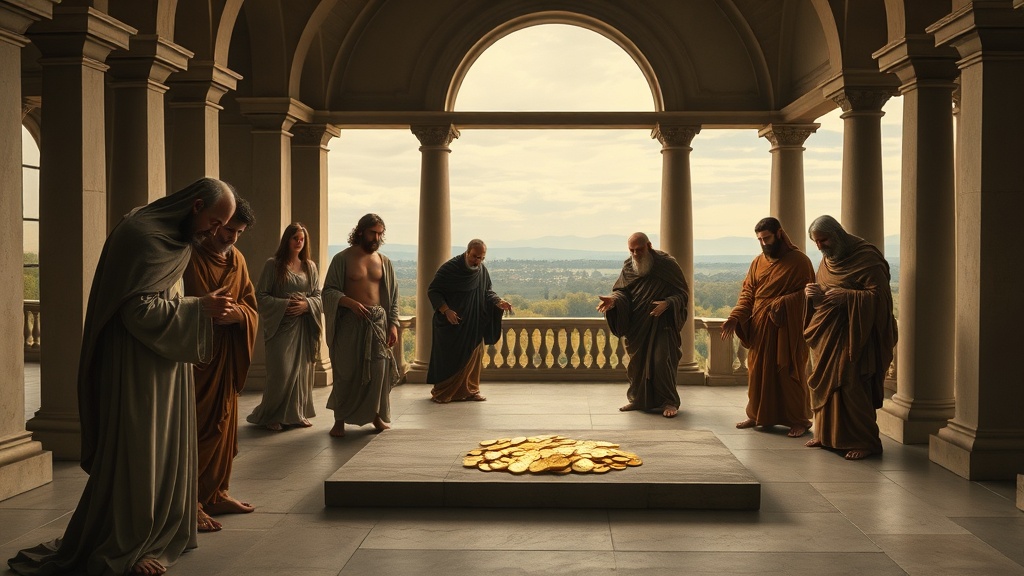
Scripture helps us read the heart beneath the headline. The attraction to sudden gain is an age-old temptation; the New Testament warns that pursuing riches can displace our devotion to God. Such longing can become an idol, shaping choices that harm individuals and communities. The recent expectation that many companies may fail post-listing and the rise in delistings underscore that hope built on speculation can result in grief. The church's task is not to condemn markets but to cultivate souls that treasure eternal realities more than temporal windfalls.
- Idolatry of gain: when profit becomes primary
- Community risk: individual losses can ripple
- Call to faithful priorities: God before gold
Practical Paths of Stewardship
Faithful response blends wisdom and charity. Practically, stewardship calls us to diversify risk, avoid gambling mindsets, and prioritize generosity. Churches can help by teaching basic financial literacy, offering counseling, and fostering support networks for those who have been harmed by speculation. Individual believers should cultivate patience, long-term thinking, and a habit of generous giving that resists the narrowing power of acquisitiveness. When markets tempt us toward instant reward, faithful practice reorients the heart toward the common good.
- Financial prudence: diversification and limits
- Community care: counseling and honest testimony
- Generosity: giving as a countercultural habit

A Hopeful Economy of Grace
The gospel does not condemn work, markets, or legitimate profit; it transforms how we pursue and use wealth. A church-shaped economy values human flourishing above short-lived gain and practices mercy toward those who fall. By emphasizing vocation, prudence, and generosity, believers can be a stabilizing, healing presence in a market prone to feverish cycles. As we steward resources, we act as witnesses to a deeper economy where love, justice, and patience matter more than the next headline.
- Work as vocation, not merely extraction
- Mercy for those harmed by speculation
- Witness through generous, patient investing
