1. God gives rest as a gift and a right; Sabbath points us to human dignity and renewal.
2. Rest must be chosen by the worker; coerced leave erodes dignity and trust.
3. Public celebrations and large events can reveal tensions between business needs and workers' rights.
4. The church calls for compassion: protect vulnerable workers and uphold fair practices.
5. We respond practically by advocating for rest, speaking truth with love, and offering pastoral care.
Why Rest Matters
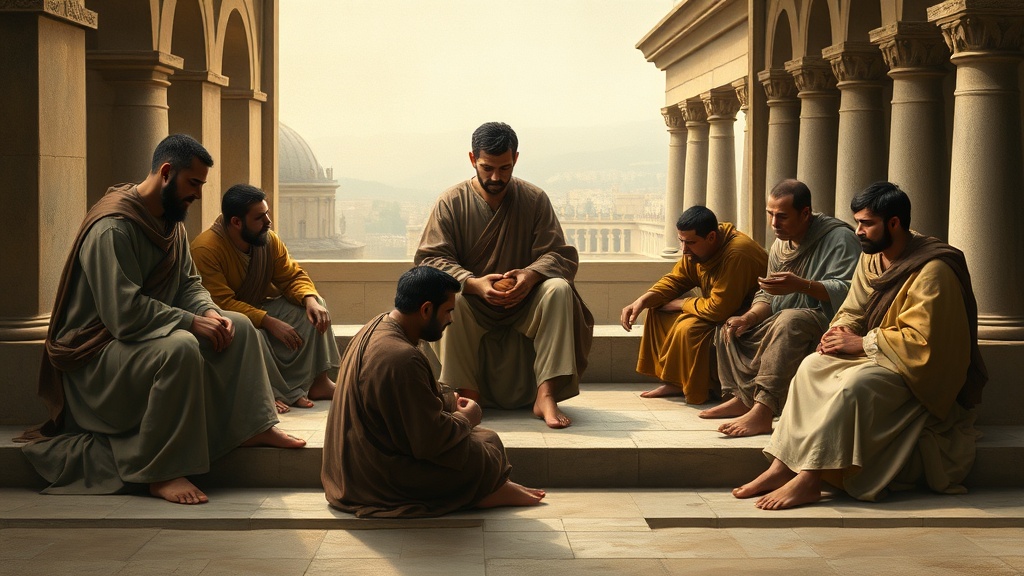
In Scripture God commands a rhythm of work and rest. The Sabbath reminds us that people are not mere instruments of production but bearers of God’s image who require renewal. When we study the command in Exodus, we see not only a day of ritual observance but a theological claim: our bodies and relationships matter to God. A world that honors rest resists idolizing productivity. True rest protects the soul, restores relationships, and witnesses to a Creator who cares for the whole person. The command invites a posture of trust—trust in God’s provision and in one another’s dignity.
The Dignity of Work and Rest
Work is honorable; rest is equally honorable. The dignity of the worker is shown when employers and communities respect both toil and respite. When corporations or managers make decisions about leave without the input of those who work, trust erodes and families suffer. Consider the principles that flow from Scripture and common sense: 1) Persons are ends, never merely means. 2) Rest protects family life and mental health. 3) Fair practice fosters community flourishing. Churches must be a voice for humane treatment, advocating compassion rather than coercion. When we uphold dignity we mirror God’s justice and mercy in the workplace.
When Communities Celebrate
Festivals, concerts, and civic events can be moments of communal joy, but they also surface practical tensions. When large gatherings affect transportation, safety, or building access, businesses and workers feel the pressure. The pastoral question is: how do we balance public celebration with the rights of workers? Scripture urges us to favor the vulnerable. Practical concerns often include: - scheduling and choice for leave; - protections for hourly or informal workers; - transparent communication and mutual care. Community life should not demand sacrifice from the weakest among us for the pleasure of the strongest. The church can model alternatives—offering mutual aid, advocating for fair arrangements, and giving voice to those whose rest is at risk.
Practical Care in the Workplace
Pastoral care includes practical counsel. We can help workers and employers imagine better practices: clear policies that respect choice, contingency plans that do not shift burden unfairly, and plans for compensation when businesses close. Concrete steps include: 1) Encourage open dialogue between staff and management; 2) Support understanding of rights and responsibilities; 3) Mobilize community resources for those who suffer economic loss. Churches can offer mediation, education, and emergency benevolence. Compassionate structures reduce harm and honor God’s intention that people flourish in both work and rest. In this way faith communities become advocates for justice and mercy in daily life.

Holding Fast to Sabbath Hope
The Sabbath points us forward to ultimate rest in God’s presence. It is both gift and promise: a promise that God cares for creation and that human worth will not be reduced to utility. As a congregation we teach that rest is not laziness but a countercultural witness to God’s reign. Our response involves prayer, advocacy, and neighborly care. Let us remember the practical elements discussed—support for vulnerable workers, fair scheduling, and mutual aid—but anchor every action in the posture of worship. By honoring rest we testify that God’s love orders work and recreation alike, that human dignity is non-negotiable.
