Foreign investors sold heavily in early 2026 and then showed renewed buying interest by March, especially in major semiconductor and energy names.
Large potential passive inflows (MSCI/WGBI) could improve confidence but volatility and currency risk remain real concerns.
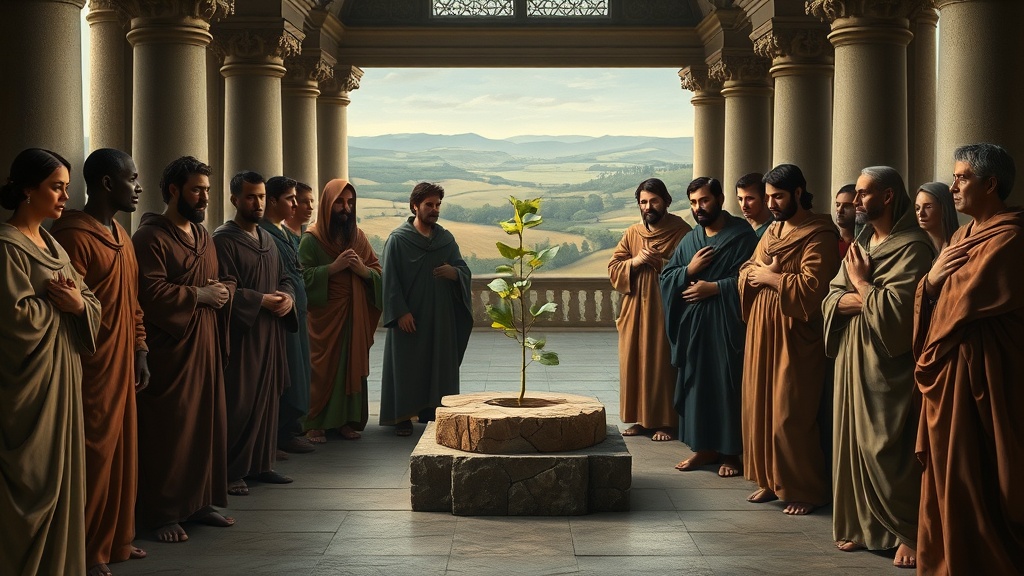
The market episode offers a pastoral metaphor: trust can be shaken but repaired, and hope can be renewed by steady practices.
Church life learns from markets the value of consistent stewardship, clear governance, and communal support in rebuilding confidence.
Practical response: patient prayer, faithful service, transparent leadership, and readiness to welcome renewed trust.
1. Noticing the Tide: Markets and Human Hearts
When foreign capital flowed out in large sums early in the year and then shifted toward buying again, observers spoke of cycles and technical triggers. For the church, the pattern is familiar: confidence can ebb, and then return. We see three observable facts here:
- Flows respond to information and sentiment.
- Large index changes can trigger sustained movements.
- Volatility often follows sharp moves in either direction.
The first pastoral lesson is to name the reality: uncertainty affects both markets and souls. Naming helps us stop blaming and start tending. In the congregation we learn to notice when hope shrinks and to name it openly.
2. Sovereignty and Cycles: Holding Tension Well
Markets rise and fall, yet we do not interpret that motion as ultimate. The Bible teaches a sovereignty that transcends cycles. That does not remove pain, but it orients us. Consider practical ways to hold tension:
- Confess anxiety rather than hide it.
- Practice gratitude even amid loss.
- Remember long stories over short shocks.
Holding tension faithfully is a spiritual discipline: it refuses panic and cultivates trust through steady attention. In corporate terms this looks like good governance; in the church it looks like regular prayer, accountable leadership, and simple acts of mercy.
3. Rebuilding Confidence Together
When investors return, trust is being rebuilt in small steps: clearer information, consistent performance, and signs of stewardship. The church rebuilds trust in similar ways. Wise actions that restore confidence include:
- Transparent communication about decisions.
- Demonstrable care for the vulnerable.
- Consistent follow-through on promises.
Restoration rarely arrives as one grand gesture; it is earned by faithful, repeated acts. A congregation that models openness and mercy becomes a living proof to a watching world that spiritual renewal is authentic.
4. Stewardship and Patience in Uncertain Times
Investors often shift to ‘‘quality’’ assets when uneasy; believers are called to quality of character. Stewardship in hardship means managing gifts well, serving with integrity, and waiting with disciplined hope. Practical habits include:
- Regular, humble budgeting and giving.
- Prayerful patience rather than impulsive fixes.
- Mentoring younger members in faithful perseverance.
Patient fidelity cultivates a deeper hope than the market can offer. When we exercise patience and faithful stewardship, we form a testimony that outlasts short-term swings.

5. Hope in Action: Moving from Analysis to Prayer
Data and indices matter, but they are not our ultimate counsel. The return of capital can be a sign of renewed confidence, and in the same way, renewed relationships signal God's healing at work among us. To move from analysis to spiritual formation, consider:
- Praying together for wise leaders and faithful economies.
- Supporting one another in tangible ways (meals, visits, teaching).
- Keeping watchful optimism grounded in God's promises.
Hope is not wishful thinking; it is practiced trust, patiently lived day by day. Let the church be a place where hope is taught, practiced, and passed on.
“(Hebrews 10:23, ESV) Let us hold fast the confession of our hope without wavering, for he who promised is faithful.”
