1. Leadership selection is a sacred, communal responsibility that echoes biblical practice.
2. God values inner character over outward résumé; discernment matters (Exod 18:21; 1 Sam 16:7).
3. Fair procedures — transparency, prayer, and accountability — honor both God and neighbor.
4. The community must both choose and continue to support leaders in humility and service.
5. Our life together flourishes when leaders are shepherds of stewardship, not ambition.
A Sacred Trust: Why Leadership Matters
Choosing a leader is not merely a bureaucratic act; it is a spiritual moment for any community. When a congregation, an organization, or even a global assembly calls someone to serve, they are entrusting another with the welfare of people, the stewardship of resources, and the shaping of common life. In the scriptures we see leaders rise not primarily by acclaim, but by God’s calling and the community’s recognition. The task of selection asks us to weigh competence and character together. It asks elders and members to remember that leadership is service, and that those who lead will one day give an account before God and neighbor. When we select leaders faithfully, we reflect God’s concern for justice, order, and mercy.
- Leadership affects the vulnerable, the future, and the common good.
- Selection is a spiritual discipline that combines prayer, discernment, and practical judgment.
- Communities who take this seriously safeguard their soul and witness.
Qualities God Seeks in Leaders
Scripture gives us markers for godly leadership. Moses, listening to Jethro, looks for men who fear God, are trustworthy, and hate dishonest gain (Exod 18:21). Samuel learns that God judges the heart, not appearances (1 Sam 16:7). The early church chooses deacons who are of good repute, full of the Spirit and wisdom (Acts 6:3). These passages form a simple but profound checklist: reverence toward God, integrity in life, wisdom in decision, and a heart for service. Leaders may possess skills and experience, but the Bible continually places the inner life first. Character is not optional for those who will shepherd others.
- Fear of God — a humble dependence on God and ethical seriousness.
- Integrity — consistent life both public and private.
- Wisdom and prudence — the ability to counsel and act for the common good.
- Service-mindedness — leadership as ministry, not status.
Processes That Reflect Justice and Wisdom
Good ends do not justify poor means. The way a leader is chosen should itself be shaped by justice and wisdom. Clear nomination, fair vetting, public testimony, and communal voting help the people to speak into the process and to take responsibility for the outcome. In practice this means transparent criteria, time for questions, and a willingness to be corrected. It also means prayerful waiting — seeking God’s guidance rather than rushing toward convenience. A process built on accountability reduces the temptation toward favoritism and assures those served that the choice was taken seriously. The method of selection must honor those who will live under the leader as much as it seeks the leader’s gifts.
- Set transparent qualifications and timelines.
- Include testimony from diverse members and allow scrutiny.
- Use prayer and fasting where appropriate to seek God’s guidance.
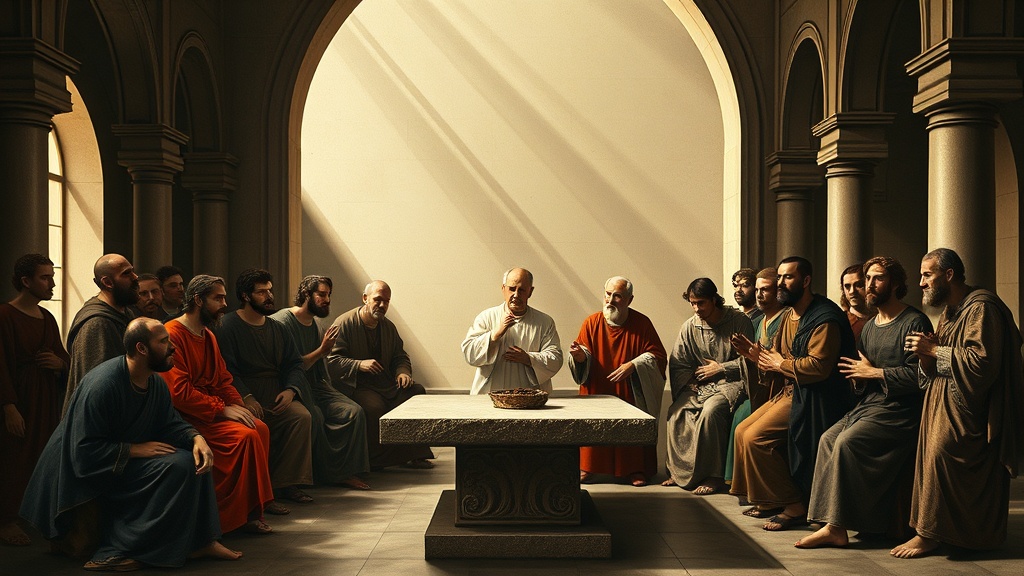
Community Role: Selecting and Supporting Leaders
Selection does not end when a vote is counted. The community must continue to support, encourage, and — when necessary — hold leaders accountable. Love and accountability are not opposites; they are companions. The faithful community provides mentoring, regular review, and pastoral care so leaders do not grow isolated or proud. At the same time, it offers constructive feedback and correction in a spirit of gentleness. This ongoing relationship honors the biblical pattern of mutual submission and care. We are called to lift up leaders and to walk alongside them, not to abandon our role after the decision.
- Provide structures of mentorship and review.
- Encourage practices of humility and rest for leaders.
- Maintain channels for respectful complaint and restoration.
Living Under Good Leadership
When leaders serve with humility and the people respond with trust and support, the whole body flourishes. Yet Scripture reminds us that no leader is beyond correction, and no congregation is excused from discernment. Our posture toward leaders should be one of prayerful submission mixed with clear-eyed responsibility. We honor God when we give leaders the respect their office requires while also expecting them to embody the virtues they profess. In such a community, both leaders and laypeople grow in holiness together. A healthy church is one in which selection, service, and accountability are woven together by love.
- Respond to leadership with prayer, cooperation, and constructive feedback.
- Remember leaders in times of fatigue and failure: offer restoration, not only judgment.
- Measure success by faithfulness to God’s command to love and serve, not by power or prestige.