A young public figure chose to enter military service, exemplifying voluntary dedication to communal duty.
Intensive training brings visible change and deeper character formation beyond outward appearance.
The church can listen, affirm, and help translate civic sacrifice into spiritual lessons of discipleship.
Scripture models faithful endurance and communal care as forms of sacrificial service.
Practical steps: pray for those in service, support families, and encourage vocational balance after return.
A Young Man's Step: Calling and Context
We gather this Sunday mindful of stories in our neighborhood and nation where young people step into demanding seasons of life. One such public story is of a young singer who, after graduating from high school, chose to enter the marine corps voluntarily. The matter before us is not celebrity but the deeper human and spiritual rhythms beneath such a decision: a voluntary move from comfort into discipline, from personal project into shared duty. When a young person trades applause for formation, we ought to notice with gratitude and discernment. In our congregation we know many households that experience similar transitions: sons and daughters leaving familiar routines for service, study, or vocation. As the church, we are called to receive these stories with a posture that honors both the public sacrifice and the private struggles that accompany it. Consider three simple observations about such a step:
- It is a public act that invites private reckoning.
- It reshapes identity through routines of discipline.
- It offers a witness of commitment to the common good.
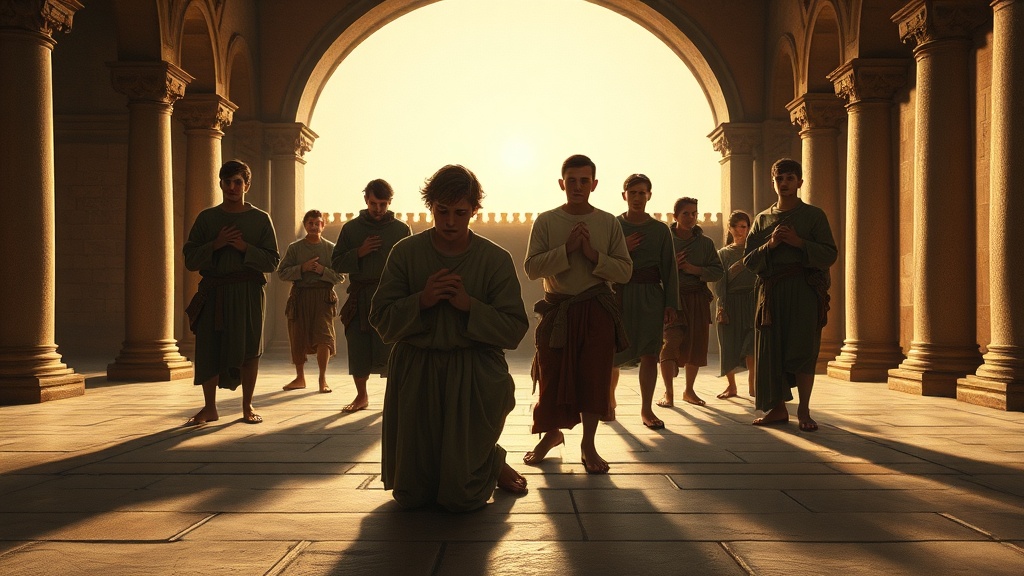
The Discipline of Training: Body and Soul
What we often notice first are surface changes: the tan of months in the sun, a posture made firm by drill, the quiet reserve of someone learning new limits. Those visible marks are signs of an interior process. Training aims to form habits: punctuality, obedience to lawful commands, endurance under hardship, and mutual reliance. These are not merely military traits but spiritual disciplines that the Bible values as well. Paul speaks to Timothy about persevering as a good soldier of Christ. Training tests comfort so character can be clarified. Consider how physical regimen models spiritual formation:
- Regularity: daily routines that reorder life.
- Endurance: building capacity to bear hardship with hope.
- Community: learning to place others before oneself for the common good.
Visible Change, Invisible Growth
News reports may emphasize how someone looks after months of hard training, but the deeper story is the inward formation that often accompanies outward change. A darker tan or more rugged carriage may draw attention, yet the quieter work is patience learned in long drills, humility forged through dependence on peers, and a reshaped sense of vocation. Scripture reminds us that true transformation is a renewal of the mind, not merely an outward remodeling. Outward signs point toward inward renewal when rooted in a sacrificial heart. For congregations, this is an opportunity to teach that identity in Christ surpasses public image, and that the church ought to welcome those returning from service not by measuring fame, but by celebrating growth in character and commitment.

Community and Sacrifice: The Church's Response
When members of our community enter seasons of service, the church has multiple roles: to pray, to encourage families left behind, and to teach the theological meaning of sacrifice. Sacrifice in the Christian imagination is never empty stoicism; it is offered within a story of redemption. Our Lord calls us to consider others and to bear burdens together. Practical ways the church can embody care include support groups for families, a mailing ministry for those in training, and counseling when the return to civilian life proves disorienting. The gospel reframes sacrifice as belonging to a covenant community that bears each other’s burdens. Simple acts of compassion—meals, greetings, and training letters—tell a powerful story about how faith translates into solidarity.
- Pray specifically and regularly for those in service.
- Coordinate a care calendar for families and returning personnel.
- Create re-entry support that blends vocational counseling with spiritual direction.
Practical Faith: What We Can Do
Finally, how do we put our theology into practice? First, refrain from turning civic service stories into mere entertainment or critique; instead, tell them as invitations to pray and serve. Second, teach young people about vocation that includes seasons of civic responsibility without idolizing any single path. Third, help returning young adults find balance: honor their growth while helping them integrate talents into long-term callings. Faithful communities accompany, do not exploit; we welcome growth and provide gentle guidance afterward. Here are straightforward steps to enact in your congregation:
- Establish a prayer list and update it monthly.
- Offer mentorship that connects military-formed skills to civilian vocations.
- Celebrate return with thanksgiving services that acknowledge change.
