1. March temperature swings call us to practical bodily care.
2. The body is the Lord's temple; caring for it honors God (1 Corinthians 6:19-20).
3. Simple habits—layering, rest, hydration, and community support—protect health.
4. Spiritual stewardship includes physical tenderness toward ourselves and others.
5. Faithful living shows in both prayer and prudent daily choices.
Weather and the Body: A Practical Connection
When the thermometer swings between cool mornings and warm afternoons, our bodies notice. Older adults and those with chronic conditions are especially vulnerable, but everyone must learn to live rhythmically with the day. Our Lord made us embodied creatures: feeling cold and warmth, fatigue and refreshment, is part of how we experience care. Practically speaking, small attentions make a big difference. To care for the body is not merely a medical task but a spiritual discipline of stewardship.
- Wear layers that can be added or removed.
- Prioritize sleep and consistent meal times.
- Stay hydrated and protect extremities from chill.
Scripture and the Sanctity of the Body
Paul reminds us plainly that our bodies are not our own: "You are not your own; you were bought at a price." (1 Corinthians 6:19-20). This teaching reframes self-care. When we honor our physical needs, we are recognizing God's claim on our lives and responding in gratitude. Caring for the body is therefore both practical and holy: it protects the blessing of life and enables service to others. In seasons of shifting weather, the faithful response is to be wise, neither anxious nor neglectful, but attentive and thankful.
- Remember: health choices can be acts of worship.
- Practice moderation and avoid extremes of neglect or obsession.
- Invite God into everyday rhythms of rest and work.
Simple Practices for Managing Temperature Swings
There are practical habits that help us live well when March brings cool mornings and warm afternoons. These are not burdensome rules but wise routines that preserve strength for ministry and relationship. Simple actions build resilience: adjustable clothing, modest exercise to keep circulation, scheduled hydration, and watching for early signs of fatigue. Encourage one another in these habits—church communities have often been places where practical care becomes spiritual formation.
- Layer clothing: breathable fabrics close to skin, insulating mid-layers, windproof outerwear.
- Keep a small emergency kit: water bottle, light scarf, hand warmers, and a temperate snack.
- Maintain regular sleep and meal schedules to support immune function.
Community Care: Tenderness Toward One Another
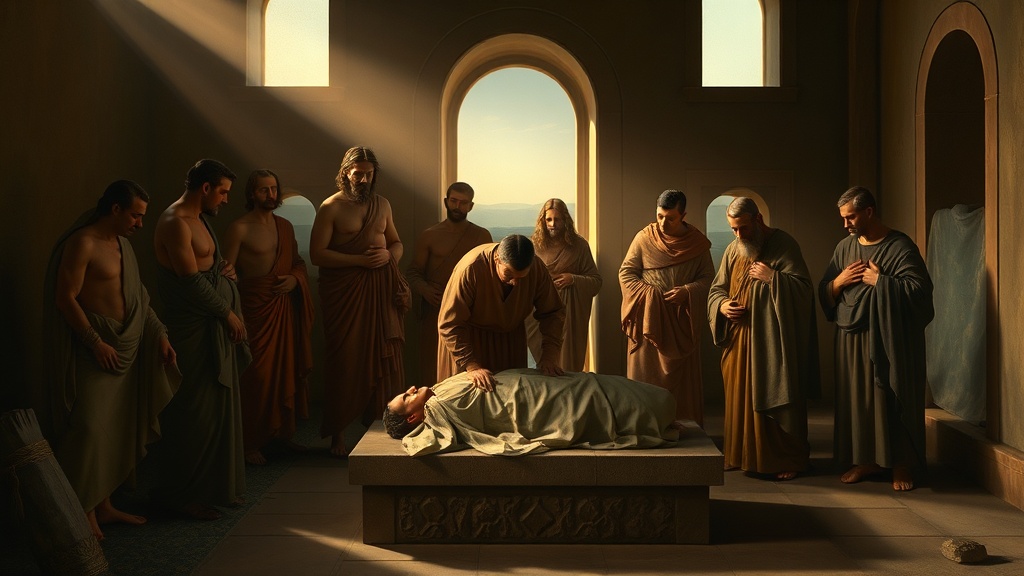
We do not journey alone. The Christian life is a communal one, and our attention to temperature swings becomes a witness of love when we care for neighbors, especially the elderly, children, and those with weakened health. Invitation and presence matter: a phone call to check on someone, offering a ride to a clinic, or sharing a warm drink can be gospel actions. Compassion expressed in small, practical ways is the body of Christ in motion.
- Make a list of vulnerable neighbors and assign simple check-ins.
- Encourage congregational ministries to include practical readiness.
- Teach younger members the value of attentive caregiving.

Faith, Wisdom, and Everyday Choices
Faith does not remove the need for prudence; rather, it orders our prudence toward God. When we choose well—balancing rest, nourishment, and appropriate activity—we make space for spiritual fruit: patience, gratitude, and service. Let us teach one another that small acts of care are sacred, and that the disciplined life of attention prepares us for greater ministry. In moments of uncertainty about health, seek both medical counsel and prayerful discernment.
- Pray and then act wisely—both are needed.
- Use community wisdom: share tips and practical support.
- Teach children habits that honor the body and neighbor.
