1. On March 30, 1981, President Ronald Reagan survived an assassination attempt that wounded several people and exposed deep human vulnerability.
2. The event reminds us of the cost of violence and the urgent need to cherish life and pursue peace.
3. Amid danger, we witness moments of care, medical skill, and the fragile gift of recovery.
4. Scripture calls God’s people to live peaceably, seek justice, and show mercy even toward those who harm.
5. As a church we are summoned to practical compassion, vigilance for the vulnerable, and active peacemaking.
A Violent Moment and Its Echo
On March 30, 1981, a hurried burst of gunfire outside the Washington Hilton stunned a nation. What began as a public appearance became a scene of terror: six shots, multiple wounds, a sitting president struck, and lives altered. The headlines named facts; the church hears a deeper cry. Violence fractures bodies and communities, and it lays bare our shared fragility. Stories like this invite honest grief and sober reflection: how easily civility can break down and how swiftly fear can spread.
- Immediate harm: victims in need of urgent care.
- Public shock: a community’s sense of safety shaken.
- Moral questions: how should a people respond to violence?
God's Protection and Human Fragility
Even amid danger God’s providence is often visible through human hands: the quickness of first responders, the skill of surgeons, the steady voice of a leader. Yet we cannot make light of vulnerability. The Bible holds both truths: God’s care and our constant need for one another. We are protected by grace and called to care for the wounded. Remembering the narrowness of survival should not harden us but humble us into compassion.
- Medical response showed human compassion and competence.
- Communal prayer provided comfort and solidarity.
- Recovery required patience and long-term care.
From Fear to Forgiveness
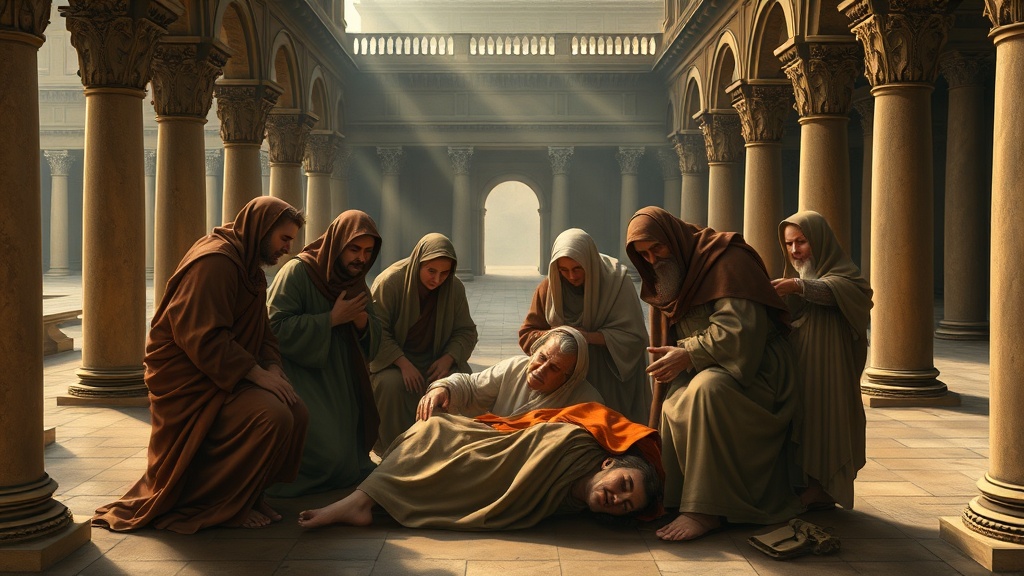
The story of that day also includes acts of grace and the difficult path toward forgiveness. When violence springs from pain or delusion, the Christian response does not ignore justice; it seeks a way to hold wrongdoers accountable while remembering God’s call to mercy. Many in that era were moved to pray for victims and even for those who wounded them. Forgiveness is not trivializing harm, but an act of spiritual courage that frees the heart from the poison of hatred.
- Justice: accountability and safe processes for the vulnerable.
- Mercy: refusing to let revenge define us.
- Healing: both victim and community need restoration.
Justice, Safety, and the Common Good
Public tragedies press the church to think about social responsibility. Scripture calls us to do justice, love mercy, and walk humbly (Micah 6:8). That means advocating for measures that protect the vulnerable, supporting thoughtful public discussion about safety, and resisting simplistic answers. Our role is not to run for political office in the pulpit, but to remind the body politic that human life and dignity are primary concerns given to us by God.
- Care for victims is a moral imperative.
- Policy should prioritize prevention and rehabilitation.
- Churches can be places of education and refuge.

Our Call: Peacebuilders
The church is summoned to be a community of peacemakers. This means prayerful vigilance and practical compassion: visiting the injured, supporting trauma care, advocating for safety that honors human dignity, and modeling forgiveness. Let us be craftsmen of reconciliation, showing the world an alternative to retaliation. Peace is not passive; it is active, costly, and bound up with justice and mercy.
- Pray regularly for victims and for safer communities.
- Train volunteers for pastoral care and crisis response.
- Engage neighbors in acts of service that build trust.
