1. On 28 February 2026 a joint Israeli–U.S. aerial operation struck multiple sites in Iran with stated aims of disabling nuclear and proxy capabilities.
2. The operation produced immediate regional retaliation threats, disruption of maritime routes, and heightened global anxiety about civilian losses and economic shock.
3. Longstanding cycles of covert attack, assassination, and sabotage form the recent backdrop to open conflict, deepening wounds across peoples and nations.
4. As Christians we are called to mourn with those who mourn, seek wisdom about justice, and pursue paths of reconciliation rooted in Scripture.
5. This sermon invites lament, prayer, and practical steps toward being instruments of peace in a fractured world.
A World Shaken
We gather on a Sunday with heavy news in our hearts. The event of 28 February 2026 — a coordinated strike across a nation — is not merely a headline; it is a cascade of human stories: families bereaved, neighborhoods scarred, economies trembling. History reminds us that when nations resort to force, the immediate purpose may be described in strategic terms, but the consequences are measured in casualties, displacement, and long memories. In our own tradition we have seen how cycles of retaliation harden into generational hatred. As a congregation we must name this reality honestly without resolving into partisan slogans. We remember all who suffer, irrespective of nationality or politics, and bring their faces before God.
- Immediate human cost: lives, homes, livelihoods.
- Regional ripple effects: trade, migration, heightened insecurity.
- Spiritual cost: diminished trust, grief that can become bitterness.
Scripture and the Scars of War
The Bible never turns away from the reality of conflict; it names human sin and its consequences while also proclaiming a higher calling. Prophetic voices remind us that God intends nations to live under justice and peace. The witness of Jesus gives us a particular posture: mourners are blessed, peacemakers are called children of God, and love for neighbor is commanded beyond tribal lines. We must be careful not to turn Scripture into a political talisman. Rather, let it form our hearts so that our responses are shaped by compassion and by prayerful pursuit of justice that seeks restoration and not mere victory.
- Prophetic vision: justice that leads to true peace.
- Jesus’ teaching: peacemakers as God’s children.
- Pastoral task: to mourn, to comfort, and to guide morally sound responses.
The Cost to the Innocent
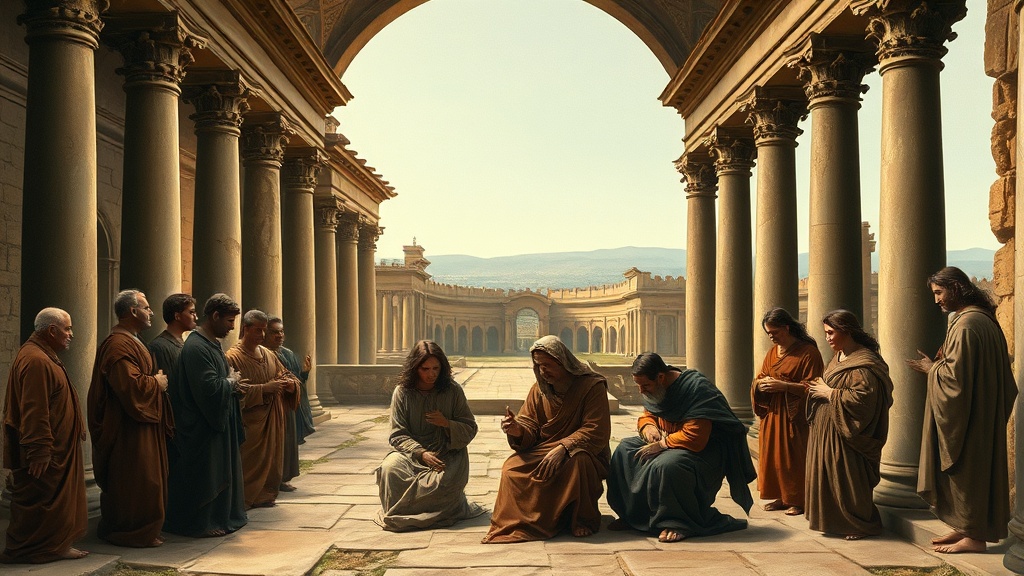
The hard truth of modern warfare is that the innocent almost always pay the highest price. Civilians, children, and the poor bear losses that do not fit into political narratives. Hospitals strain, supply chains break, and trusted neighbors become strangers behind barbed fear. We are called to lament this injustice and to act practically: supporting humanitarian relief, advocating for safe corridors for civilians, and funding ministries that serve refugees and the displaced. True security is born from justice and mercy, not only military might. Our faith demands that we measure success not only by strategic gain but by how the most vulnerable fare in the aftermath.
- Local charity: supporting medical and relief partners.
- Advocacy: humane policies for refugees and aid access.
- Prayerful accompaniment: churches as sanctuaries of comfort and support.
A Call to Mourning and Prayer
Our first Christian posture toward violence is not triumphalism but mourning. The Lord Jesus wept; the church must also weep with those who suffer. Lament is an act of faith: it names pain honestly before God, it refuses facile answers, and it opens space for the Spirit to bring consolation. We can pray for leaders — that their decisions would be tempered with wisdom, restraint, and a concern for the common good — and for victims across borders. Prayer does not absolve us of responsibility; it fuels courage to act for peace, to lobby for ceasefires, and to press for diplomatic channels alongside humanitarian efforts.
- Private lament: personal prayer and fasting for the bereaved.
- Corporate lament: communal services and intercessory gatherings.
- Public prayer: seeking God's wisdom for leaders and relief workers.
Living Stones of Peace
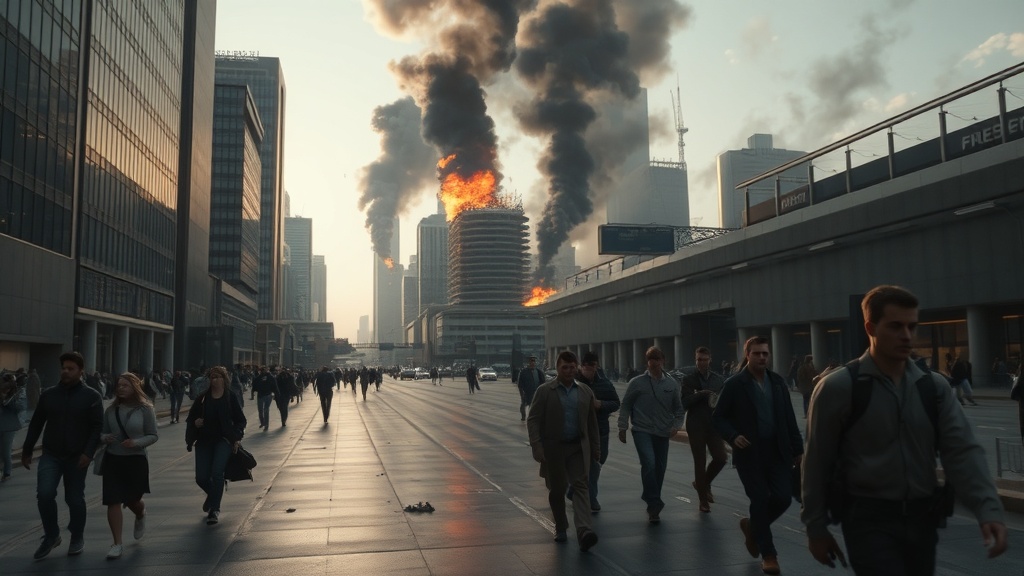
Finally, what practical life does the church offer in days like these? We become living stones of peace: present where pain is, ready to serve, to listen, and to advocate. This means hospitality to refugees, consistent political engagement that favors human dignity, partnerships with relief organizations, and teaching our children a gospel of reconciliation rather than vengeance. It also means sustaining hope: rebuilding relationships, praying for transformed hearts among leaders and citizens alike, and modeling restorative justice in our communities. Small, faithful commitments matter: shelter for a family, a meal for a displaced neighbor, a letter to an elected official pleading for humane policy.
- Hospitality: open doors for those fleeing violence.
- Advocacy with compassion: pursue policies that protect civilians.
- Education: teach peacemaking and forgiveness to younger generations.
