Actress Choi Jung-yoon's remarriage and first family overseas trip to Kota Kinabalu illustrates public healing and renewed family life.
The theme is the healing and restoration of remarried families made possible by grace and deliberate compassion.
Travel and shared rhythm (rest, play, prayer) can be a tangible means of bonding and recovery for children and adults.
Scripture affirms new beginnings in Christ (2 Corinthians 5:17) and God who heals broken hearts (Psalm 147:3).
This sermon offers pastoral guidance: acknowledgement of wounds, practical steps for family resilience, and hope rooted in God's promises.
Introduction — Seeing a New Beginning
We have watched in the news a familiar face, actress Choi Jung-yoon, travel with her new husband and daughter to Kota Kinabalu for their first overseas family trip after remarriage. For many who have lived through separation or watched loved ones suffer, such moments stir complex emotions: grief for what was lost, but also cautious hope for what might be born anew. The church can offer a language of faith for these moments, naming both the wound and the work of God toward restoration. We are not called to erase memory or bypass grief; rather we are invited to accompany one another into a future shaped by grace.
- Public stories often mirror private struggles.
- Healing is communal — it happens in family, church, and shared practice.
- Faith gives narrative for change: endings can become new beginnings.
The Wound and the Promise of New Creation
Many who enter into a second marriage carry scars from divorce, betrayal, or public shame. In Choi Jung-yoon's case, the past included difficult public episodes and a season of retreat from the spotlight. Scripture does not pretend pain away. Instead it offers a radical statement: in Christ we become a new creation. That does not mean our past is nullified; it means God can reweave our story. The church's role is to hold the tension of truth and hope—acknowledging past hurt while pointing to God's work of renewal. Practical pastoral care attends to grief rituals, honest confession, and the steady rebuilding of trust.
- Acknowledge the pain openly in safe spaces.
- Practice rituals that mark loss and mark new beginnings.
- Invite small, trustworthy circles to walk the road together.
Travel, Rhythm, and the Work of Healing
Why does a simple family trip matter? Shared rhythms—meals, walks, laughter, quiet—repair relationships in ways words alone cannot. The images from Kota Kinabalu show relaxed moments: a parent’s hand guiding a child, the quiet of a seaside evening, a common delight in new sights. These are small healings. For remarried families especially, trips provide contained spaces where new patterns can form without daily triggers of former life. A pilgrimage of sorts, even a short holiday, can function as rehearsal for renewed trust and communication. Pastoral wisdom encourages intentional pacing: rest, dialogue, play, and prayer interwoven.
- Rest replaces reactivity — give your family permission to breathe.
- Intentional conversation builds narrative — ask about feelings, not just facts.
- Shared joy re-teaches the body how to trust together.
Practical Steps for Families and the Church
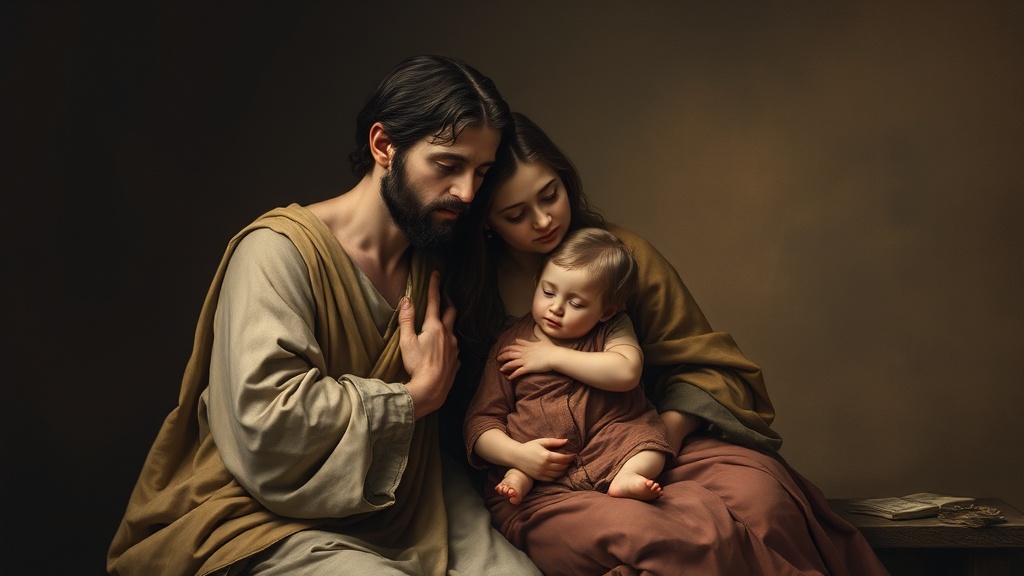
Healing does not depend solely on scenic places; it rests on practical habits. For children, stability and predictable routines signal safety. For adults, honest confession, boundaries, and mutual accountability guard against repeating old patterns. The church can support remarried families by offering child-friendly care, pastoral counseling that understands blended dynamics, and small groups that welcome rather than scrutinize. Consider also the spiritual practices that feed resilience: communal prayer, scripture reading together, and rituals of blessing. These are tangible ways the congregation can become a home for renewed families.
- Establish predictable family routines and sacred rhythms.
- Seek pastoral counseling that addresses blended-family dynamics.
- Church communities should create welcoming spaces free of gossip.

Conclusion — Hope Rooted in God
Stories like Choi Jung-yoon's can encourage and caution in equal measure: they remind us that public images rarely capture every inward struggle, yet they also testify to God’s capacity to bring beauty from brokenness. Scripture repeatedly promises that God heals the brokenhearted (Psalm 147:3) and makes all things new (Isaiah 43:18-19). As a church, we offer both honest space for mourning and steady work toward restoration. Let us commit to being companions who bear one another's burdens, celebrate small joys, and point always to the God who renews.
- Remember: healing is gradual and communal.
- Practice patience with children and adults alike.
- Let grace lead your conversations and decisions.
