1. "Nopo" (old-established shops) teach us about continuity—how faith is handed down like a simmering pot that never cools.
2. Long service and simple devotion preserve identity and serve their communities.
3. Scripture calls us to pass faith intentionally from one generation to the next (Deut. 6:6-7).
4. Practical stewardship honors heritage while allowing adaptation.
5. The church is called to be both keeper and cook: preserving truth, serving neighbors, and mentoring successors.
Introduction: The Old Shop and the Church
In Korea the word 노포 (nopo) describes an old-established shop — a family business that has served a neighborhood for generations. These places are more than commerce: they are memory, taste, and steady presence. When we read of shops that have simmered broths for a hundred years or handed a ladle from hand to hand, we see a picture that helps us understand a spiritual calling: that faith, like a beloved recipe, must be kept, tasted, and taught. Faith handed down with care is not nostalgia; it is stewardship of life-giving practice.
- What a nopo preserves: craft, story, relationship.
- What the church preserves: doctrine, prayer, sacrament, hospitality.
- Both require patience, repetition, and love.
The Long Flame of Practice: What Nopo Teaches Us
The nopo survives because it repeats certain practices faithfully: the same stock simmered, the same greeting exchanged, the same place at the counter. That repetition forms identity. For the church, worship rhythms, prayer, and faithful teaching are our stocks and counters. The early Christians gathered 'day by day' (Acts 2:42) — not because ritual is an end in itself, but because the discipline of gathering forms people who love God and neighbor. When we think of Christian formation, the image of a pot held over a steady flame is apt: heat, time, and attention transform simple ingredients into a sustaining meal.
- Repeat small practices: daily prayer, Sabbath rest, family blessing.
- Value ordinary places: the kitchen table, the pew, the small group room.
- Recognize rhythm over novelty: continuity breeds trust.
Passing the Ladle: Generational Stewardship
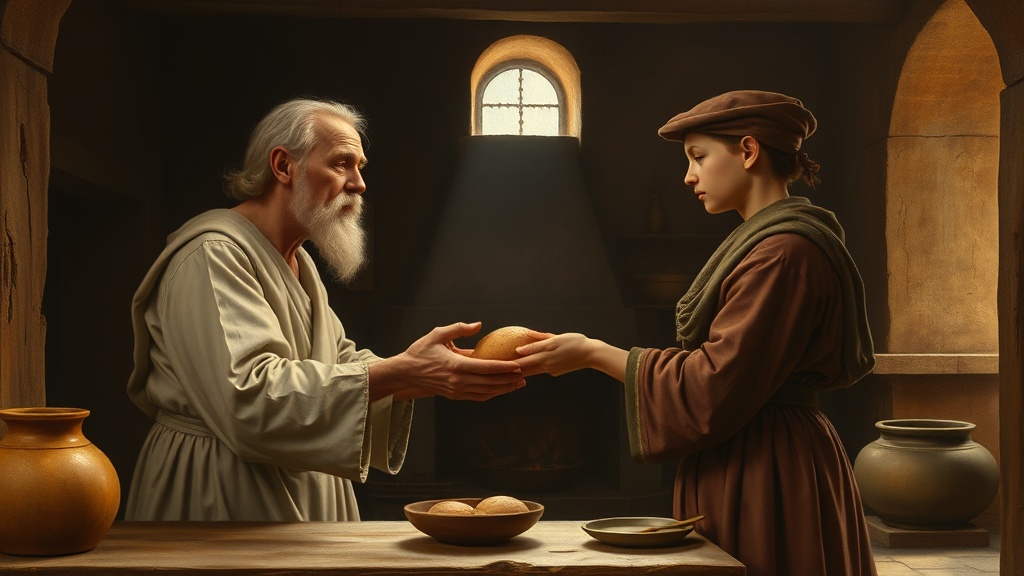
Many famous nopo are known not because they marketed themselves but because elders taught apprentices and children the trade. Likewise, spiritual life is transmitted through relationships: a grandmother praying at dawn, a father reading Scripture at dinner, a neighbor showing mercy. These acts are stewardship of the gift God gave us. The Bible instructs us to teach the next generation deliberately, to tell the stories of God's faithfulness, and to model repentance and trust. Stewardship of faith is active: it names, it models, it invites.
- Mentorship: elders speak life into younger believers.
- Rituals of memory: family prayers, testimonies, hymn-singing.
- Practical handing over: entrust responsibilities gradually.
The Taste of Faith: Perseverance and Simplicity
Nopo often survive through simplicity: a menu of honest dishes, skilled hands, and loyal customers. The Christian life similarly flourishes when made simple—prayer, Scripture, sacrament, hospitality. Perseverance matters. Galatians exhorts us not to grow weary in doing good; consistency yields harvest. A shop's reputation grows not through constant advertising but through day-after-day faithful practice. Our witness is like that: quiet, durable, attractive because it is real. When troubles come, these simple practices become anchors.
- Simplicity: return to core practices when overwhelmed.
- Perseverance: keep ministry small and steady when large plans fail.
- Hospitality: serve your neighborhood with compassion.
Caring for Our Heritage: Practical Steps for Churches
How do churches honor heritage without fossilizing it? Nopo illustrate balanced stewardship: protect the recipe, but adapt the kitchen. Practical steps include intentional teaching of fundamentals, creating apprenticeship pathways for ministry roles, celebrating stories of faith in your congregation, and protecting small, steady ministries that feed the poor and visit the lonely. Public recognition (like a city’s preservation program) can help, but the heart work is local. We must guard against two errors: romanticizing the past without teaching it, or discarding good practice because it appears old-fashion.
- Document stories and practices—oral histories, testimonies, simple guides.
- Create mentorship roles with clear expectations and timeframes.
- Support small ministries that demonstrate faithful presence.

