1. Health is a primary gift from God and outranks mere wealth.
2. The phrase geunsujeo (literally translated as "health-first") reminds us to value bodily care.
3. The case of actress Um Ji-won’s ankle injury helps us learn humility, dependence, and wise stewardship of the body.
4. Scripture teaches the body is God’s temple and calls us to balanced spiritual and physical care (1 Cor 6:19-20; 1 Tim 4:8).
5. Practical steps: prevention, community support, faithful recovery, and daily gratitude.
1. A Story That Wakes the Heart
We have all seen headlines about careers and awards, and sometimes the quieter, harder story follows: an unexpected injury. In March 2026, actress Um Ji-won shared that during travel she suffered an ankle fracture and required urgent surgery. Her social post used a phrase that has entered our conversation: geunsujeo, translated here as "health-first." When those of us who admire professions or accomplishments are reminded that a single injury can interrupt work and life, it becomes a pastoral moment for the whole congregation.
- Notable facts: a successful career does not make one invulnerable.
- Public figures can model honest vulnerability and wise priorities.
- The community response can be a channel of grace and practical help.
2. The Bible on Body and Blessing
The Scriptures do not separate the spiritual life from bodily care. Paul famously reminds the Corinthian church that the body is not merely a private possession but a temple of the Holy Spirit. Health is not merely practical; it is spiritual stewardship. That means our habits, attention, and even medical care can be acts of worship when ordered to God.
- Scripture grounds care for the body in worship and identity.
- Physical discipline and spiritual discipline belong together.
- Medical help is not a lack of faith but a means of God’s provision.
3. From Headlines to Holy Lessons
When a public figure like Um Ji-won names the truth plainly—"health-first"—we receive a communal reminder. Her experience invites empathy for anyone who depends on physical strength: performers, caregivers, farmers, and many of our elders. The Gospel meets such moments not by promising immunity from pain but by giving meaning and presence within suffering. Psalm 103 assures us that God heals; recovery becomes a shared journey rather than a private burden.
- We learn humility in sudden limitation.
- We practice presence when we visit, call, or bring a meal.
- We remember to thank God for ordinary mobility and strength.
4. Practical Ways to Live Geunsujeo (Health-First)
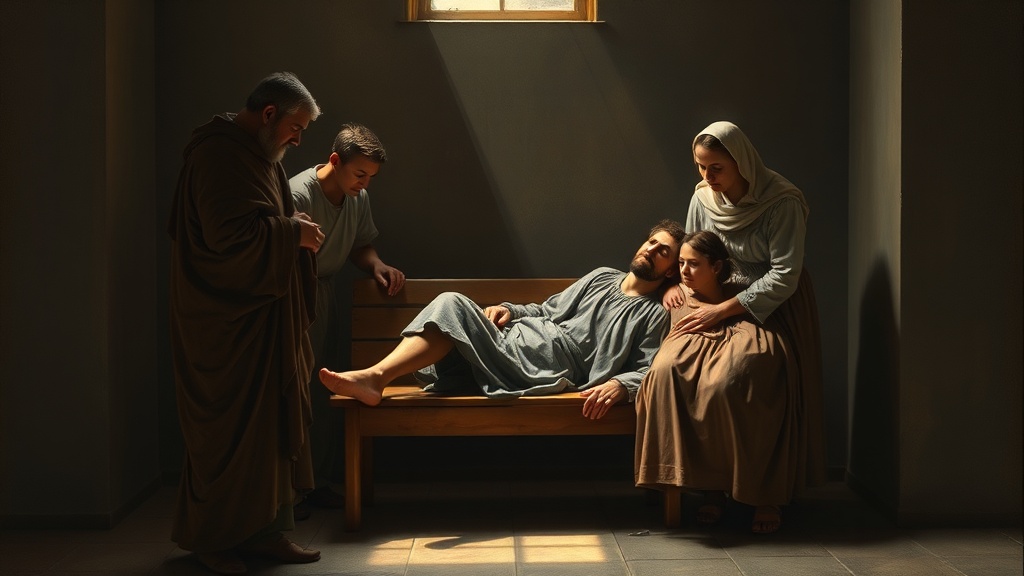
Living "health-first" is not a single heroic act but a set of faithful rhythms. The church can be a lab of these habits: we encourage one another toward rest, proper work, sensible recreation, and preventive care. For those undergoing recovery—surgery, physiotherapy, or long rehabilitation—faithful practices include patience, consistent small exercises, nutrition, and relying on community for help with errands and emotional support.
- Prevention: routine checkups, adequate rest, moderation in travel and work.
- Recovery: follow medical advice, steady rehabilitation, prayerful perseverance.
- Support: neighbors, congregational meals, visitation teams, and listening.

5. Hope, Healing, and Our Shared Work
The Christian hope does not remove the need for surgery, rest, or rehabilitation; it reinterprets them as part of God’s work in our lives. We can affirm the truth of 1 Timothy 4:8 that bodily training has some value, while also remembering that godliness has ultimate value for both present and eternal life. In practice this means praying for healing, trusting competent care, and engaging our community to carry one another in weakness.
- Trust God in surgery and medicine.
- Practice gratitude for each recovered step.
- Build a congregational culture that honors geunsujeo—health-first.
