1. A new technology cultivates human neurons on microchips (Cortical Labs CL1) as energy-efficient computing units.
2. The innovation promises dramatically lower electrical consumption compared with traditional GPUs, but relies on living cells with limited lifespans and maintenance needs.
3. As Christians we approach such advances with wonder, careful ethical discernment, and a commitment to human dignity (Imago Dei).
4. Practical questions include stewardship of life, transparency, and safeguarding vulnerable populations from commodification.
5. The church is called to offer moral wisdom, pastoral care, and practical guidance as society navigates this biotechnology frontier.
1. The Invention and Its Promise
Recent work in biohybrid computing brings human-derived neurons into direct partnership with silicon. Companies like Cortical Labs have cultured induced pluripotent stem-cell–derived neurons on microelectronic arrays; their CL1 units reportedly host on the order of two hundred thousand neurons per chip and can perform information processing while consuming only a fraction of the electricity used by conventional GPU farms. Developers emphasize potential gains: lower power use, smaller cooling needs, and new architectures of learning that draw on living networks' adaptability.
- Key technical points: iPSC-derived neurons, microfluidic life-support, signal interpretation software.
- Operational realities: cells require nutrient media and periodic replacement (reported lifespans around months).
- Societal scale: pilot facilities announced in cities and plans for modular racks of CL1 units.
2. Seeing Technology through Scripture
Before we decide whether to rejoice or recoil, the Bible gives us lenses for judgment. The opening chapters of Genesis declare that every human being bears God's image. This foundational truth shapes our moral intuition: people are not mere resources to be optimized. At the same time, Scripture affirms human creativity; God gave us minds to steward creation well. We therefore hold two convictions together: a) the sanctity and dignity of human life, and b) a call to wise stewardship of God’s world—including its technologies.
- Affirm personhood and dignity.
- Practice cautious innovation under moral scrutiny.
3. Honest Questions and Ethical Concerns
Technology that uses human-derived cells raises clear questions we cannot ignore. Are the cells treated with respect, traced to informed donors, and handled with transparency? Does the commercial use of human biology risk commodifying persons, even at one cellular remove? Practically: who bears responsibility if a life-support system fails, or if biological variability undermines reliability? We must also ask whether promises of efficiency obscure hidden costs—labor, specialized facilities, or unequal access. We must not let enthusiasm for novelty outpace our commitment to human dignity and justice.
- Consent and provenance of biological material.
- Life-support ethics and animal/organ-like considerations for cultured tissues.
- Social justice: who benefits, and who might be harmed?
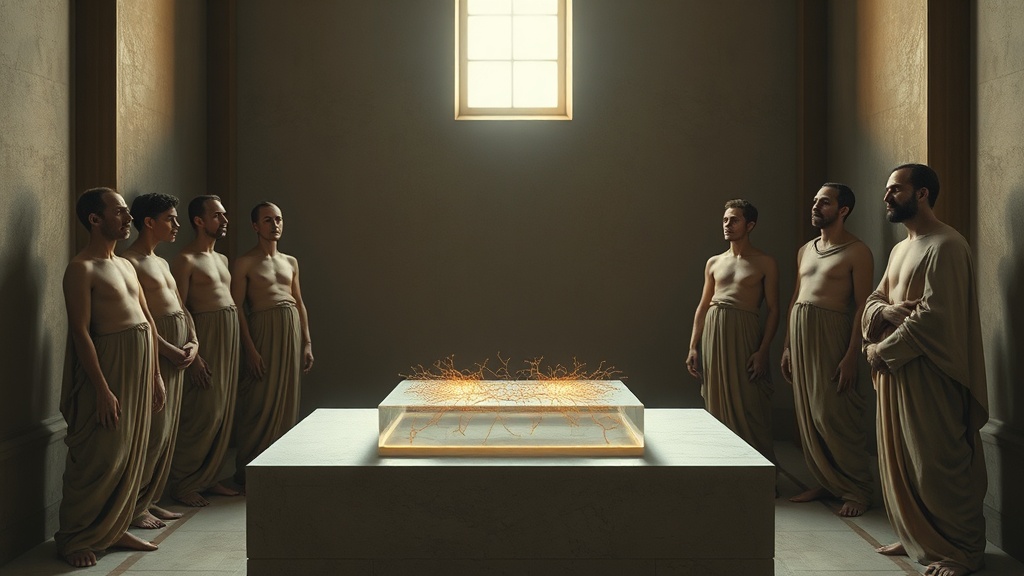
4. Practical Wisdom for Church and Community
The church is not primarily a regulatory body, but it is a moral community equipped to cultivate wisdom. This means three practical commitments: listen, learn, and advocate. Listen to scientists and ethicists; learn the facts so our discernment is informed; advocate for policies that respect persons and protect the vulnerable. Congregations can host forums, invite experts, and provide pastoral care for those anxious about technological change. We can also model alternatives by practicing simple stewardship—reducing wasteful consumption, supporting energy justice, and honoring donors' dignity.
- Host education events and ethical conversations.
- Support transparent regulation and donor protections.
- Model faithful stewardship in daily life.

5. A Pastoral Invitation to Stewardship
We live in a season where human creativity meets fragile life in new ways. The gospel calls us to greet these moments with humility and resolve: humility because our knowledge is limited, and resolve to protect the image of God in every human. Let us be people who welcome innovation that serves the common good, while resisting practices that instrumentalize persons. In practical terms: support ethical research, insist on transparent consent, and be a voice for the powerless in conversations about technology.
- Pray for wisdom for scientists and policymakers.
- Encourage ethical standards and public engagement.
- Offer pastoral care to those affected by technological shifts.
