1. In early 2026 major Korean firms such as Samsung Electronics and SK group moved to cancel large blocks of treasury shares, a legal and financial step with broad symbolic meaning.
2. Share cancellations reduce outstanding shares and can increase per‑share metrics, but they also raise questions about stewardship, transparency, and long‑term value.
3. Biblical stewardship calls us to faithful, honest management of resources — whether corporate assets, personal savings, or communal gifts.
4. The law now requires more prompt handling of treasury shares, highlighting the need for integrity beyond legal minimums.
5. Practical application: consider how we manage time, talent, and treasure so that our stewardship honors God and serves neighbor.
1. Seeing the Scene: What Happened and Why It Matters
In the first half of 2026, two of South Korea's largest corporate groups announced significant programs to cancel treasury shares. Samsung Electronics moved to retire tens of millions of its own shares, and SK group likewise planned multi‑trillion won reductions, with SK Hynix also participating in a large program. These actions are not mere accounting entries: they change the capital structure, alter per‑share measures like earnings per share, and send signals to markets and stakeholders. For many observers the move meant restoring confidence in valuation and redistributing measured value to remaining shareholders. For others, the action raised questions about motive — whether the aim was genuine value creation, short‑term market signaling, or defensive corporate strategy.
- Corporate scale: the sums involved were comparable to major capital projects.
- Legal context: recent corporate law changes now require faster disposition of treasury stock.
- Market effect: share prices reacted, and many firms announced similar steps.
2. Stewardship in Scripture: The Faithful and Wise Manager
Scripture gives us a lens for reading economic decisions. In Luke 12:42–48 Jesus speaks of the faithful and wise manager who is entrusted with resources and expected to act faithfully. The parable calls leaders and stewards to account, reminding us that trust implies responsibility. Stewardship is not merely legal compliance; it is moral accountability before God and neighbor. When a company disposes of or cancels shares, the action affects employees, retirees, small investors, suppliers, and communities. The biblical ideal asks: does this action and its communication honor truth, serve the vulnerable, and steward resources for flourishing?
- Trust: resources often belong to others in some sense—shareholders, employees, society.
- Responsibility: those entrusted must act with wisdom and foresight.
- Judgment: final accountability lies before God, who measures faithfulness.
3. Integrity, Law, and the Limits of Numbers
Recent legal reforms require more prompt disposition of treasury shares, making some cancellations a statutory response. Law and ethics overlap but are distinct: the law sets a floor for behavior, while integrity raises the bar. Proverbs 10:9 reminds us that 'whoever walks in integrity walks securely.' In corporate terms, transparency about motives and effects matters as much as compliance. Cancellation can legitimately aim to correct capital structure or reward long‑term contributors. Yet it can also be used to reshape voting power or to create optics that hide underlying weaknesses. As Christians we must recognize the difference between accounting benefits and genuine flourishing that benefits people and community.
- Compliance ensures order; integrity fosters trust.
- Good governance considers long‑term community impact, not only short‑term metrics.
- Honest disclosure protects both markets and vulnerable stakeholders.
4. Practical Stewardship: From Corporate Boards to Household Budgets
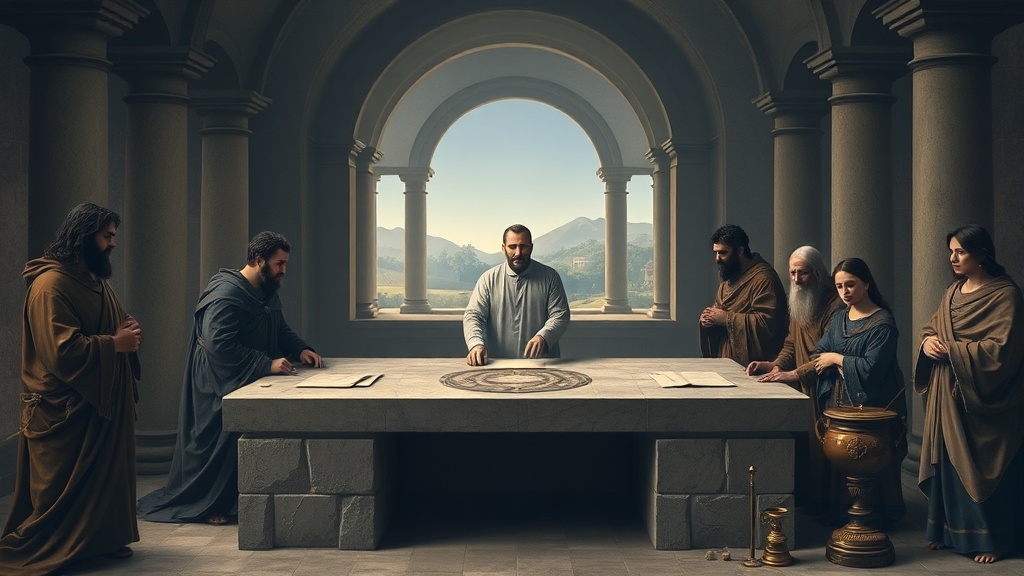
Whether you sit on a church finance committee, lead a workplace team, or manage a family budget, the same principles apply. The parable of the talents (Matthew 25) does not ask for equal results but for faithful use of what is entrusted. In practical terms this means careful planning, honest reporting, and generous thinking toward others. If a firm decides to cancel shares and return value to investors, a steward asks how that choice ranks against investment in people, innovation, and the common good. For individuals, the parallel question is how to steward income: saving, giving, investing, and spending wisely so that our resources serve God’s purposes.
- Assess: inventory what you have been given.
- Allocate: make deliberate plans for saving, giving, and investing.
- Account: report honestly and seek counsel for significant decisions.
5. Hope, Legacy, and the Measure That Lasts
Large financial moves attract headlines, but Christian hope measures value differently. Legacy is not merely accumulated wealth but a pattern of faithfulness passed on. A firm that retires shares might still leave a legacy of jobs, training, and community investment—or it might leave a different mark. Our calling is to invest in what endures: relationships, discipleship, justice, and mercy. True stewardship seeks flourishing beyond the balance sheet. As a congregation we can model this by how we budget, support mission, and care for one another, trusting that small faithful acts compound into lasting good.
- Long view: prefer actions that sustain people and institutions.
- Generosity: abundant giving reshapes communities.
- Legacy: teach the next generation to steward well.