Life is a gift even in old age.
Death should not be denied, but faced with faith.
Remaining days are not empty; they still carry purpose.
God teaches us to number our days wisely.
Christian hope looks beyond the grave to resurrection.
1. When the Heart Says, “I Do Not Want to Leave”
At first glance, the phrase “I do not want to leave” may sound like simple sorrow. Yet beneath it lies a deep human confession: life is precious, and the days we are given are not ordinary. The article about Kim Young-ok, Ban Hyo-jeong, and Bae Su-rin reminds us that even in old age, the human heart still clings to life, memory, relationship, and the quiet beauty of everyday existence. For believers, that longing is not shameful. It is part of being human. We do not pretend that aging is easy, and we do not call sorrow by another name. Instead, we admit that the twilight years may be filled with gratitude, tenderness, and also tearful wonder. Life remains beautiful, even when it becomes fragile. That truth is worth honoring.
- Old age does not erase the dignity of a person.
- Longing to live a little longer is a natural expression of love for life.
- Memory, family, and daily grace still matter deeply.
2. Death Is Not a Rumor, but a Reality Before God
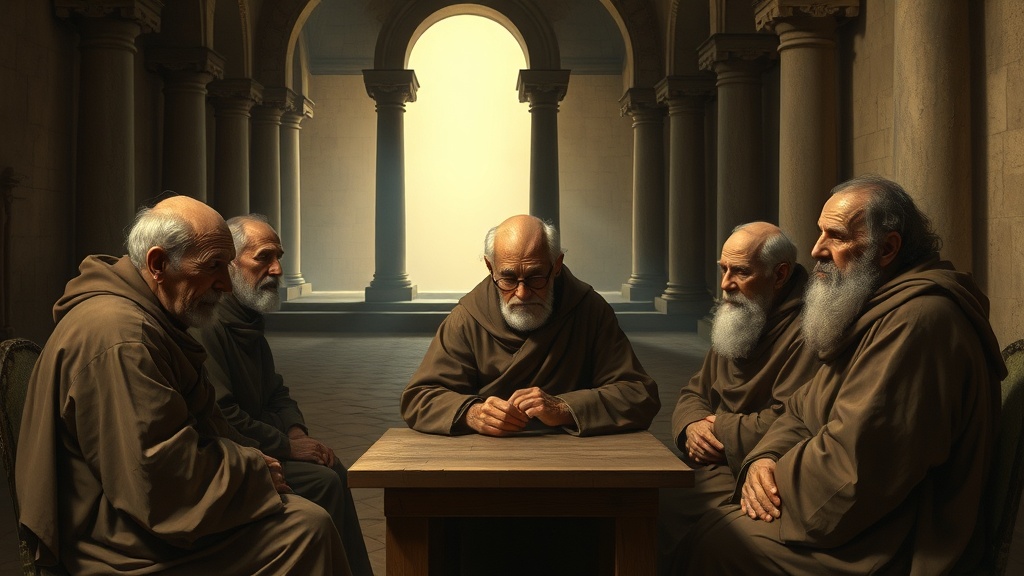
Our culture often avoids speaking plainly about death. We decorate it, soften it, or push it away as long as possible. But Scripture teaches us to look at life honestly. Death is not a story we invent; it is the boundary of earthly existence. Still, as Christians, we do not face death with despair. We face it with reverence, humility, and hope. Hebrews says, “It is appointed for man to die once,” reminding us that our time is not endless. This is not meant to frighten us, but to awaken us. When we remember that our days are finite, we stop wasting what matters most. We become slower to quarrel, quicker to forgive, and more eager to love. The awareness of death can become the doorway to wisdom.
- Death is a real part of human life.
- Facing it honestly helps us live more wisely.
- Faith does not remove the reality of death, but it changes its meaning.

3. The Remaining Days Are Not Empty Days
The article draws our attention to a crucial truth: the question is not only how long we live, but how we live the days that remain. In the world’s eyes, later life may look like a season of fading strength. Yet in God’s eyes, the final chapter is not wasted. A believer’s remaining days can still bear fruit: a kind word, a prayer spoken over children and grandchildren, a forgiven memory, a reconciled relationship, a quiet act of generosity. Sometimes the most powerful witness in old age is not a loud speech, but a peaceful spirit. A life near its sunset can still shine with holy light. What may seem small to the world is precious before God.
- Remaining time is an opportunity, not a burden.
- Love becomes purer when it is expressed without delay.
- Spiritual fruit can continue until the final breath.
4. God Teaches Us to Live with Wisdom and Hope
Psalm 90 is the prayer of a people who know both the frailty of life and the faithfulness of God. “Teach us to number our days” is not a command to become gloomy. It is a prayer for wisdom. When God teaches us to count our days, He is helping us order our loves. We begin to value what is eternal over what is temporary. We stop measuring life only by success, health, or appearance. Instead, we look for what lasts: faith, love, mercy, obedience, and trust in the Lord. In this way, aging becomes part of discipleship. The weakening body may humble us, but the strengthening soul can still grow day by day. The outer person may fade, but the inner person can be renewed.
- Wisdom learns to honor what is eternal.
- Hope in God gives peace even in bodily weakness.
- Declining strength does not cancel spiritual growth.
5. The Christian Way: To Long for Life and Trust God in Death
The most beautiful Christian posture is not denial and not fear, but trust. We may say, with honesty, “I do not want to leave,” because we love the gifts of life. Yet we can also say, “Lord, my times are in Your hands.” These two sentences do not fight each other. They belong together. We love life because God gave it. We receive death, when it comes, because God still holds us. Jesus Christ is the center of this hope. He did not merely speak about eternal life; He entered death, conquered it, and rose again. Therefore, our final hope is not that we will avoid the grave, but that we will belong to the Risen One. For the believer, death is not abandonment; it is passage into the hands of Christ.
- We may cherish life without idolizing it.
- We may grieve separation without losing hope.
- We may prepare for death by growing daily in faith.
