Life can change without warning.
Online mourning must be marked by truth and respect.
Grief is real, but Christian hope is deeper than grief.
We should guard our words when death is reported.
Today is the day to live before God wisely.
When the News Arrives Without Warning
Beloved church, we live in a time when news travels faster than thought. A single post, a short video, or a headline can reach thousands in moments. When a familiar creator or public figure dies suddenly, many people feel shock before they even understand the details. Such moments remind us that human life is fragile, and that tomorrow is never promised to us. The Bible does not hide this truth. Scripture teaches us to face reality with honesty, humility, and reverence. In the face of death, we are not asked to pretend we are unhurt; we are asked to remember that our lives are held in God’s hands. The sadness we feel is real, but so is the call to pause, listen, and pray rather than rush to speculate.
- Sudden loss wakes us from spiritual sleep.
- Public grief should never become careless entertainment.
- Every human life carries dignity before God.
The Bible Teaches Us to Number Our Days
The Scriptures repeatedly call us to wisdom in the face of life’s brevity. One of the clearest voices is found in the Psalms, where Moses prays not for more noise, but for a teachable heart. We need that same prayer today. Online culture often tells us to react instantly, to share immediately, to comment without waiting. But God teaches a different rhythm: reflect, discern, and then speak. When a death is reported, the Christian response is not to feed curiosity but to honor the person, comfort the grieving, and seek truth. This is not coldness; it is holiness. It is a refusal to treat sorrow as content. It is a recognition that even in public mourning, God watches over both the living and the dead with perfect care.
- Wisdom begins when we remember our limits.
- Grief calls for prayer, not performance.
- Truth should guide every public response.
Online Mourning: Comfort and Caution
There is something beautiful when people gather online to say, “We are sorry,” “We remember,” and “We will pray.” Such expressions can be a real comfort. A memorial post, a respectful comment, or a quiet message of sympathy can help people feel less alone. Yet the same digital space can also become a place of confusion, rumor, and unnecessary pain. A person’s family may already be carrying deep sorrow, and careless sharing can increase that burden. Therefore, let us practice a better way. Before reposting, ask whether the information is confirmed. Before commenting, ask whether your words heal or wound. Before forming conclusions, ask whether you are honoring the dead. Compassion without truth can mislead; truth without compassion can wound. Christian maturity holds both together.
- Check facts before sharing.
- Speak with gentleness toward the bereaved.
- Avoid turning sorrow into a public spectacle.
Christ Stands with Us at the Grave
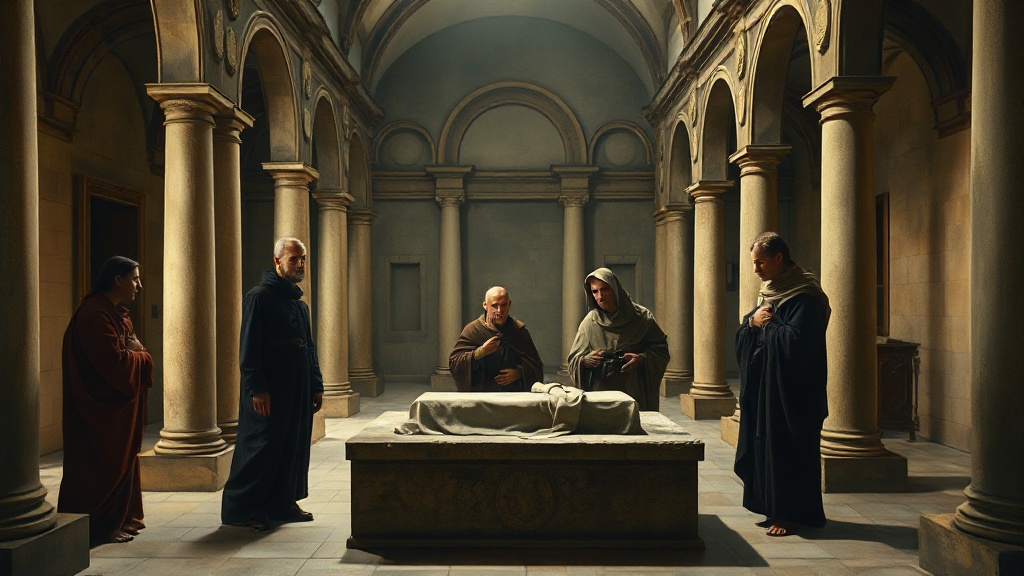
Our faith does not deny the pain of death; it reveals that death does not have the final word. Jesus Himself entered a world of tears. He stood before a grave and wept. He comforted mourners, touched broken hearts, and then declared a hope that no darkness can erase: “I am the resurrection and the life.” This means that Christian mourning is never empty mourning. We sorrow, but not like those who have no hope. We remember the dead with gratitude, we comfort one another with tenderness, and we entrust every soul to the mercy of God. That hope does not make us careless; it makes us courageous. Because Christ lives, we can face death honestly, grieve deeply, and still walk forward in peace.
- Jesus is present in sorrow.
- Resurrection hope transforms grief.
- Faith gives us compassion without despair.

Living Wisely While We Still Have Time
In the end, every sudden loss asks the same question of the living: how shall we now live? The answer is not fear, but wisdom. Not panic, but repentance. Not shallow reaction, but faithful devotion. We cannot control the hour of death, but we can decide the posture of our hearts today. We can forgive while there is still time. We can pray while our families are still near. We can serve others while opportunity remains. We can worship God with gratitude instead of delay. A life prepared before God is not a life of worry; it is a life of peace. So let us hold our days lightly, our neighbors dearly, and our Lord forever. Then even when sorrow comes, we will not be lost. We will be carried by grace.
- Repent today, not someday.
- Love your family while you can.
- Honor the Lord in your ordinary days.
