Marriage is not a race, but a covenant that requires wisdom.
Haste can bring regret, even when the desire for love is sincere.
God does not shame the brokenhearted; He calls them to reflection.
Failure is not the end when repentance opens the door to healing.
The Lord teaches us to value timing, character, and faithful love.
Today we listen not to a celebrity story as gossip, but as a mirror for our own hearts. When a person says, “I married too quickly,” or looks back and admits, “I was immature,” many of us quietly understand. We may not share the same circumstances, but we know what it is to make a hurried choice, to trust our feelings before wisdom has had time to speak, and later to feel the weight of regret. Scripture does not invite us to mock such moments; it invites us to learn from them. The Lord is patient with the weak, gentle with the repentant, and truthful with all who want to walk in the light. In that spirit, let us consider marriage, timing, responsibility, and the possibility of healing after disappointment.
1. A Covenant, Not a Rush
Marriage is one of the most serious promises a human being can make. It is more than affection, more than a season of excitement, and more than the fear of being alone. In the Bible, marriage is pictured as a covenant, a sacred bond that asks for faithfulness, patience, and shared purpose. That is why hastiness can be dangerous. A person may be sincere and still be unready. A heart may be lonely and still need more wisdom. Scripture says, “Desire without knowledge is not good—how much more will hasty feet miss the way!” (Proverbs 19:2). This is not a harsh word; it is a merciful warning. The Lord knows that some choices cannot be undone without pain, so He teaches us to pause before we pledge our lives. A wedding day is beautiful, but the years after it are where the covenant must live.
- Ask not only, “Do I feel strongly?” but also, “Are we prepared to walk together?”
- Ask not only, “Is this the right moment for me?” but also, “Is this the right path before God?”
- Ask not only, “What do I want?” but also, “What kind of servant-love is being required?”
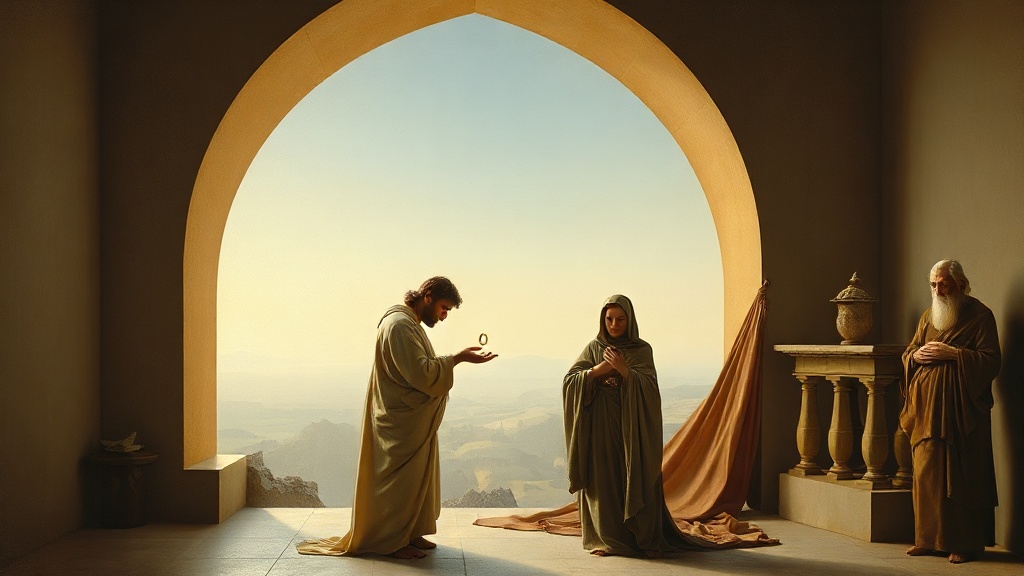
2. When Loneliness Speaks Too Loudly
Many people delay marriage until later in life, and that may happen for many reasons. Some are waiting for the right person. Some are building a livelihood. Some have been hurt before. Some have simply not met the one they can trust. Yet when the years pass, another voice can begin to speak: the voice of pressure. “Do not be alone forever.” “Do not miss your chance.” “Do something now.” But pressure is a poor counselor. It can disguise itself as wisdom while actually feeding fear. The heart deserves compassion here, because loneliness is real. Still, loneliness should not become a master. The Lord does not ask us to solve our emptiness by rushing into a lifelong bond. He invites us to bring our emptiness to Him first. Then we can think more clearly, love more freely, and decide more truthfully. A quick marriage may promise relief, but only character and covenant can sustain peace.
- Loneliness can make us idealize another person too quickly.
- Fear can make us confuse urgency with readiness.
- Spiritual maturity teaches us to wait without despair.

3. The Pain of Regret and the Gift of Truth
When someone looks back and says, “I was immature,” there is pain in that sentence, but also courage. Regret, when it is honest, can become the beginning of wisdom. We should not romanticize brokenness, yet neither should we despise it. God often uses sorrow to strip away our illusions. He lets us see that not every beautiful beginning becomes a lasting home, and not every strong feeling is a reliable guide. This does not mean the person is worthless. It means the person is human. The gospel speaks gently here: our worst choices do not have the final word when we come into the light. Repentance is not merely feeling sorry; it is turning toward truth. It is saying, “Lord, teach me.” It is saying, “I want to live more carefully now.” In that posture, even painful memories can become schoolrooms of grace. The Lord can take what was rushed and teach us steadiness; He can take what was fragmented and teach us patience.
- Truth is healing when we stop defending every past decision.
- Humility opens the door to learning.
- God can transform regret into deeper maturity.
4. After Divorce: Life Does Not End at the Wound
Divorce is always a wound, and in many hearts it carries grief, disappointment, and a sense of loss that words cannot fully hold. The church must never speak lightly of that pain. At the same time, the church must also proclaim that a wounded life is not a useless life. People are not defined forever by the collapse of one relationship. In Christ, there is still a future. There is still prayer, still dignity, still work to do, still love to give, and still grace to receive. This is where the gospel becomes deeply personal. The Lord does not only forgive sin in theory; He walks with the brokenhearted in actual history. He restores what pride has damaged, heals what shame has hidden, and steadies what sorrow has shaken. The goal is not to erase the past, but to let God redeem the future. We can live differently after grief. We can be more careful, more truthful, more compassionate, and more dependent on the Lord.
- Do not let shame become your identity.
- Do not let one failure silence your ability to grow.
- Do let God rebuild your inner life with grace and truth.
5. What the Lord Teaches Us About Love
At the center of this message is not celebrity, not failure, and not public commentary. The center is God’s vision of love. In 1 Corinthians 13, love is patient and kind; it is not easily angered, it keeps no record of wrongs, and it rejoices with the truth. That is a very different picture from the love sold by urgency, fantasy, or fear. Biblical love is not merely a feeling that arrives suddenly; it is a way of life that is formed over time. It asks, “Can I serve this person with steadiness?” It asks, “Can we grow in truth together?” It asks, “Will this union help us honor God?” These questions are not meant to frighten us. They are meant to protect us. Many people regret not because they loved too much, but because they decided too quickly without enough truth, prayer, or depth. The Lord’s wisdom is not cold. It is kind. It does not crush desire; it orders desire so that desire can become blessing rather than sorrow.
- Love needs patience more than performance.
- Love needs truth more than appearance.
- Love needs covenant more than impulse.
